Author: Michael M. Conti

  • Extraordinary Cinema Camera EOS C70

    I got a cinema camera! This is the first new camera that I have purchased in almost 10 years. The Canon EOS C70 is the first Cinema EOS camera with a built-in RF-lens mount, which was previously a feature that was only used for the EOS R series of mirrorless cameras.  I learned early on that having the best technology on hand can become an endless and expensive chase. Over years, I have always tried to maximize my ability to use what I have at hand. I shot both of my 2K feature docs with the Canon XF100. Now I am at the point where the leap forward becomes really extraordinary. I am looking forward to shooting my next films with this 4K camera for another decade. This camera is well worth my investment. I have been shooting with Canon cameras for a long time — XF100, EOS 6D.  

    Michael Conti going hand-held with the Andes in the background

    Netflix Approved

    The C70 camera is on Netflix’s official list for approved production cameras which is an extra plus.

    RF 50-mm “Normal Vision”

    I have always appreciated how Canon looks “organic” to me. My clients like the look as well. To me, there is a certain richness and artistic look that comes from these cameras. The biggest payoff with the C70 was the ability to decide what lens I would get. I got the new Canon 50-mm (RF) lens.

    Distinguished by its speed, the RF 50-mm f/1.2L USM from Canon is a desirable normal-length prime due to its versatile focal length and bright f/1.2 maximum aperture. This fast design excels in difficult lighting conditions and also benefits working with shallow depth of field and selective focus techniques.

    The concept of “normal vision,” let alone the 50-mm lens’s ability to reproduce it, is hardly a given. The idea that a 50-mm best approximates human sight has more to do with the early history of lens production than any essential optical correspondence between the lens and the eye.

    “One lens in particular—the 50-mm lens—is often seen as the most objective of objectifs, and it is said to be the lens that best approximates human visual perspective. For example, the precision-lens manufacturer Zeiss states that its Planar 50-mm lens is “equal to the human eye.” Many artists have taken up 50-mm lenses to render ordinary, everyday experience. Yasujirō Ozu, whose films subtly depict the daily life of 1950s and 1960s Japan, used a 50-mm lens almost exclusively. The French humanist photographer Henri Cartier-Bresson also used one. Underlying its popularity is a promise of shared perspective and common understanding.” Source: The Atlantic

    35mm Sensor, 16+ stops of Total Dynamic Range

    The other big setup for me was having access to the 35-mm sensor that gives me 4K resolution among other things.

    Super 35mm
    4K: 26.2 x 13.8 (29.6 mm diagonal)
    UHD: 4K: 24.6 x 13.8 (28.2 mm diagonal)

    The EOS C70 features Canon’s next generation Super 35mm Dual Gain Output (DGO) Sensor. This new sensor is capable of a total dynamic range in excess of 16 stops and includes Canon’s exclusive Dual Pixel CMOS Autofocus technology.

    The DGO Sensor is a newly developed imaging system that generates high dynamic range and maintains low noise levels by reading out each photodiode with two different gains. It combines the two with a saturation prioritizing gain for bright areas, and a lower noise prioritizing gain for darker areas.

    Field Trip

    I recently took the C70 with me on a field trip to Patagonia, Chile in order to test it in the harsh environment there among the glaciers. On the way down to the end of the world, I did a layover in Santiago, Chile where I filmed in an urban setting as well as along the Pacific Coast in Viña del Mar. All of those experiences allowed me to get a good hand feel for the camera, understand the differences in how to adjust for the natural lighting, and play with all the menu options. The big take-away was great appreciation for how good everything looked without having to do any color grade in post production. The lens was amazing in how it used AI to follow focus, specifically a face. More importantly, what the camera saw looked actually like what I saw!

    With the introduction of the EOS C70 Cinema Camera, Canon is taking aim squarely at filmmakers like me who love the DSLR-style approach to filmmaking, but who are tired of having to compromise essential video-centric features.  Although the test footage was primarily shot outdoors, inside it is amazing with practical lighting. It is going to be my go-to camera for seated interviews.

    The Canon C70 is a serious camera for professionals who want to take their productions to the next level. I am looking forward for having a client who has the assignment to make this camera shine.

    Michael M. Conti at Mirador Serrano Glacier, Patagonia Chile – January 2022
  • Key learnings for streaming live meetings with remote audiences

    Key learnings for streaming live meetings with remote audiences

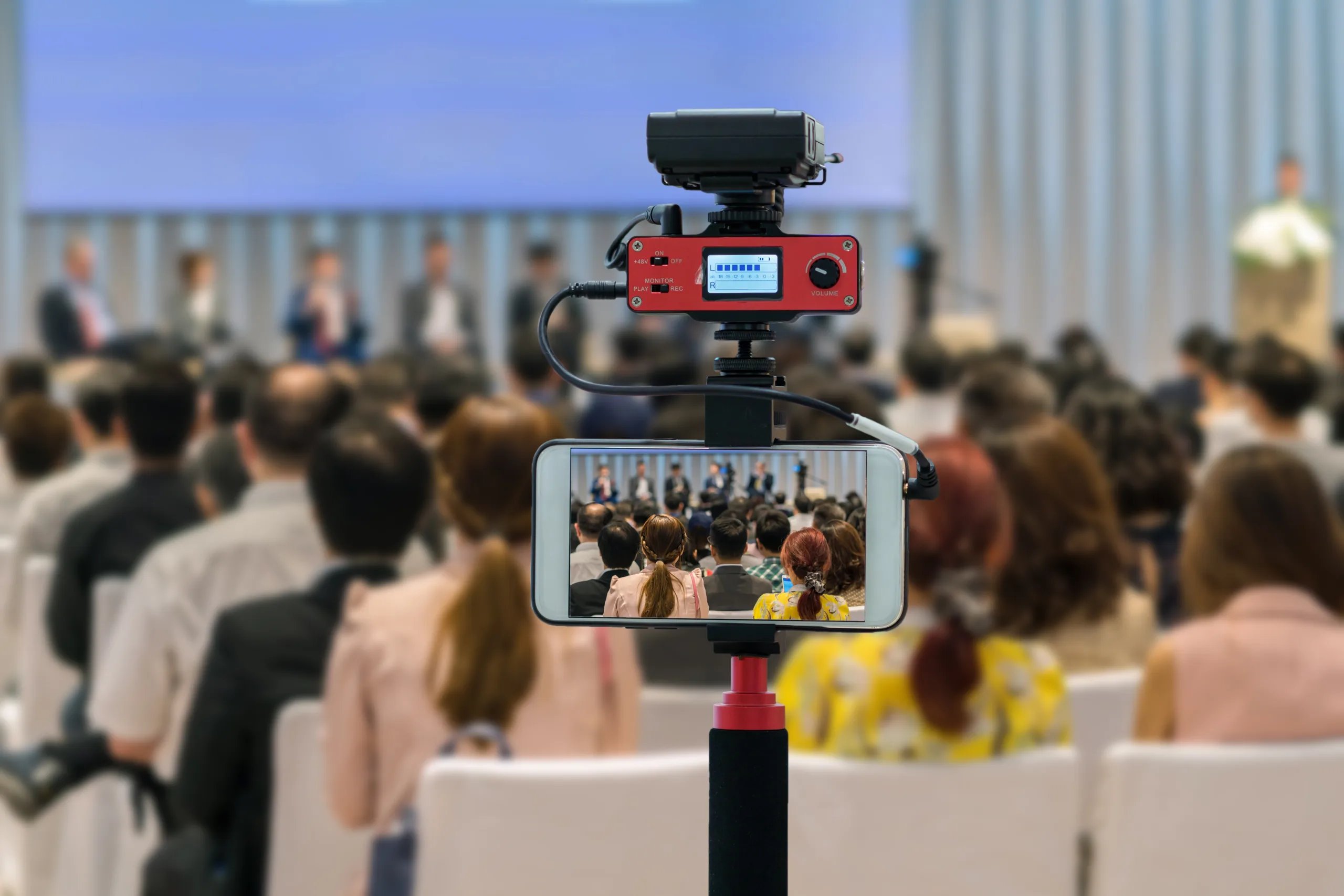
    Providing live broadcast services is just one part of the job as a technical director. The secret sauce lies in creating opportunities for interaction between the remote and on-site audience. That comes from key learnings for streaming live meetings with remote audiences. As a technical director, it is essential to not only ensure smooth live broadcasting but also facilitate engagement and interaction among attendees, regardless of their physical location.

    Enhance the overall viewer experience for streaming live meetings

    By leveraging the latest technology and incorporating innovative strategies, technical directors can enhance the overall viewer experience and make remote participants feel more connected to the event. This includes incorporating interactive elements such as live polling, Q&A sessions, and virtual networking opportunities. Through these efforts, technical directors play a crucial role in bridging the gap between remote and on-site attendees, creating an inclusive and dynamic experience for all.

    To excel in this role, technical directors must continuously stay updated with the latest trends and best practices in remote live streaming, adapt to new technologies, and think creatively to deliver an immersive and engaging event experience.

    Make room for improvement

    I have been providing streaming services for almost a decade now. Yes, you read that right. That means I have seen a lot of technical changes with audience adaptation to this type of experience. However there is still room for improvement.

    Those first years required a lot of trouble shooting and experimentation in terms of the technology needed. It was pretty much a one-way street in terms of interactivity between the remote and live audience. Obviously things have greatly improved in a few short years due to the consequences of the pandemic with more events and interactions being done remotely. We all know how to Zoom!

    streaming live meetings
    Key learnings for streaming live meetings with remote audiences (2021)

    Nine Key Learnings for streaming live meetings with remote audiences

    I am going to touch on the key learnings from streaming live meetings to both remote and on-site audiences. This approach can also cover the same for any type of meeting, from national businesses, non-profits, creative agencies, educational, ecclesiastical, worship, and local small businesses. These key learnings can be shared with a client in the preparation or demonstrated during the live event itself. Please add your own into the comments below.

    #1 – Key learning is to acknowledge your remote audience even if you don’t see them directly. There is a camera pointed at you. Talk to them directly. Let them know you appreciate them being there and how you will engage with them through the session.

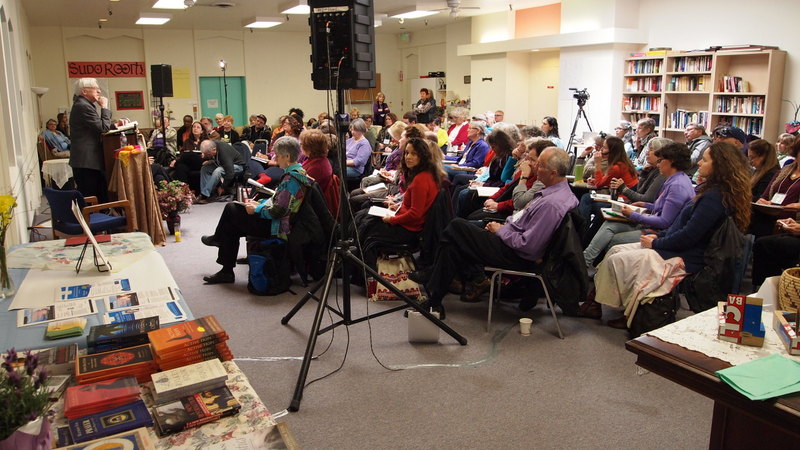
    #2 – Bring your remote audience into the live room via a projection of their gallery view on a large enough screen that the live audience can see them clearly. Ask questions and broadcast their audio response back to room. Make sure you have the equipment setup to do this.

    #3 – Curate the remote chat for technical questions and concerns. I like to use the remote audience as a live meter to check on the quality of the audio and video. I am directing this meeting for them. Asking them via chat if the audio is working, let’s them know you care about their experience. They will inform me if something goes amiss. I also monitor the session as a participant on another device.

    #4 – Ask for a third party from the client side to monitor and curate the chat to respond to questions and to mirror live and remote activities. This key person can also be remote.

    #5 – Engage the remote audience with active camera shots, medium and close-up shots work great with speakers, wide and panning shots of the room help to engage the remote audience with their counter parts. That is a key part of your job for the audience live and remote.

    Final Key learnings for streaming live meetings

    #6 – Live presenters have a tendency to leave their shared screen presentation on longer than needed especially when answering questions. I like to switch to a live feed of the room, to help bring the remote audience back into experience instead of just being passive listeners.

    #7 – Large screens behind the live presenters are compelling for the audience too, especially if your streaming broadcast is also being projected there. That can be the same feed that your remote audience is seeing.

    #8 – Key Learnings for streaming live meetings to remote audiences. Don’t leave your remote audience unable to hear something from the live meeting. I always run room audio from the camera, and if there is a PA system in place, a XLR cable out to my mixer. If not, perhaps the client doesn’t provide a PA system, make sure the presenter is providing direct audio to your remote audience through a wireless or cable mic.

    #9 – Make sure to thank the remote audience at the end of the live meeting for joining, and leave the camera feed on as the audience leaves. People love to watch other people.

    Technical Director Conclusion

    Following these key learnings for streaming live meetings with remote audiences will make any online meeting into something memorable and valuable to all the participants. Please reach out if you need any help with your own event.

  • Rising Above Adversity: My Personal Encounter with Scott Rudin

    Rising Above Adversity: My Personal Encounter with Scott Rudin

    My Journey Through ‘Jennifer 8’

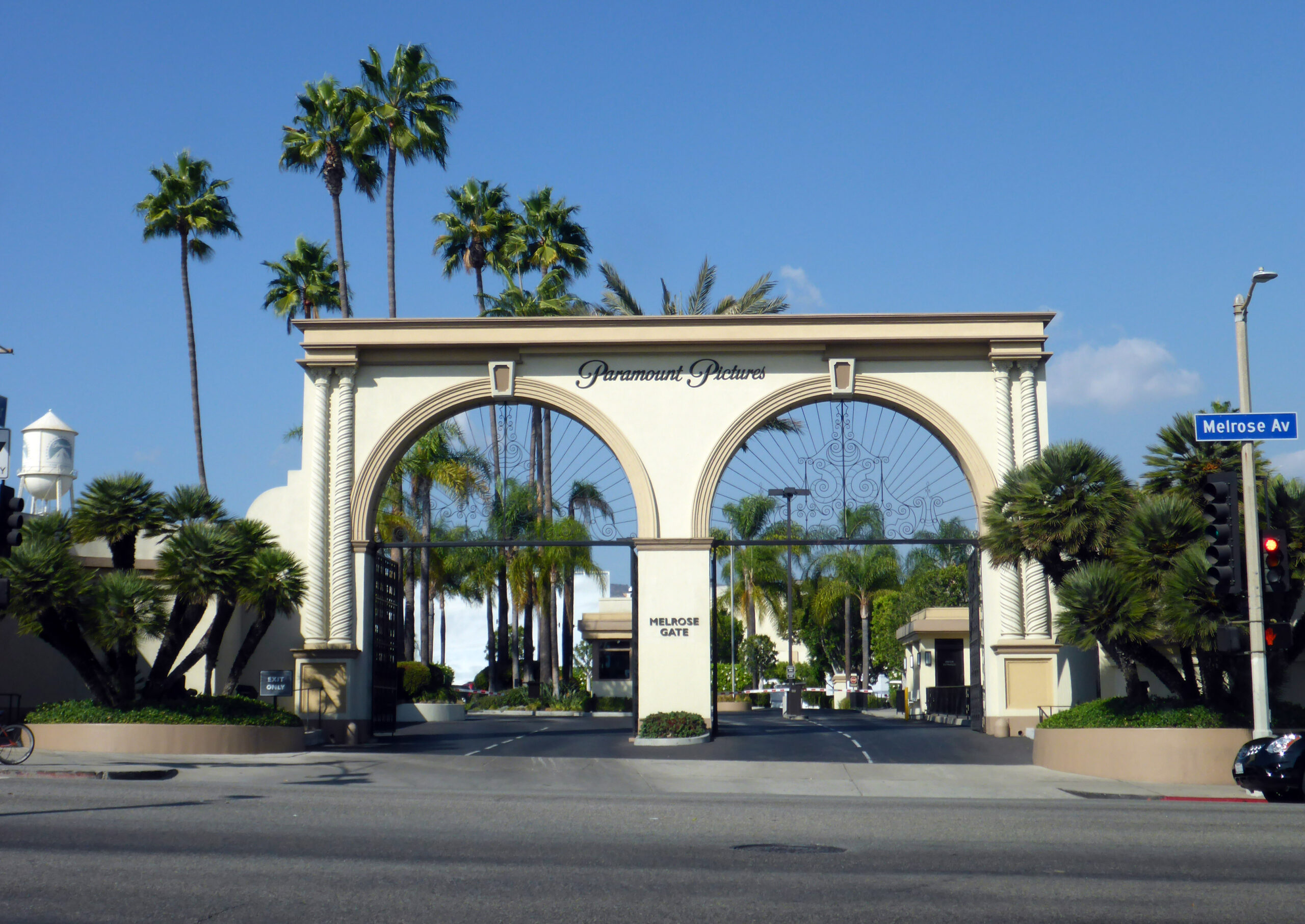
    The influence and impact of Scott Rudin, a prominent figure in the entertainment industry, cannot be understated. Numerous accounts have emerged, as highlighted in “Everyone Just Knows He’s an Absolute Monster: Scott Rudin’s Ex-Staffers Speak Out on Abusive Behavior” published by The Hollywood Reporter on April 7, 2021. Interestingly, my own personal experience with Scott Rudin dates back three decades. It was during Labor Day Weekend in 1991 when I held the position of Director’s Assistant at Paramount Studios, working alongside the esteemed Academy Award-nominated Director-Writer, Bruce Robinson, known for his notable works such as “The Killing Fields” and “With Nail and I.” Our collaborative project at the time was the chilling serial-killer thriller titled “Jennifer 8,” slated for release in 1992.

    In the midst of the creative process, I became acquainted with the darker side of Scott Rudin’s reputation for the first time. His notorious behavior, as recounted by former colleagues and employees, began to align with my own encounter. Though my personal experience may not have been as extreme as others, it nonetheless left a lasting impression.

    As I reflect on that period, it becomes apparent how the revelations and discussions surrounding Scott Rudin’s behavior shed light on a systemic issue within the industry. My involvement with Bruce Robinson and the production of “Jennifer 8” serves as a testament to the resilience and dedication of those working in Hollywood, even in the face of challenging circumstances.

    Setting the Scene: Turmoil and Tension During Labor Day Weekend 1991

    It was a late Friday afternoon, and the Paramount Lot was winding down as the weekend approached. Bruce, the individual I had been assisting for several months, had departed for a well-deserved holiday, the destination of which remained undisclosed. Throughout my time with Bruce, I had taken on various responsibilities, including the task of transcribing his type-written script into a digital format using an early PC scriptware program. This particular script had only received the green light in mid-July, marking an exciting milestone in its development. The preproduction phase had recently concluded, culminating in the successful casting of Uma Thurman and Andy Garcia as the film’s stars.

    Inciting Incident

    Being involved in the development process was a source of pride for me, and I eagerly anticipated my role during the actual production in Vancouver, scheduled for September. Bruce’s producer, David Wimbury (1947-2009) (known for his work on “The Commitments”), had explicitly informed me that Bruce would be unavailable during that weekend, without providing me with any means of contacting him. It was worth noting that mobile phones were not yet prevalent within our group at that time.

    Amidst the anticipation and excitement surrounding the project, I diligently carried out my duties, maintaining the script’s digital version and ensuring its smooth progression.

    CUT TO:

    INT. PARAMOUNT STUDIOS – DIRECTOR’S OFFICE – DAY

    A corkboard displays script pages, concept art, and production notes. Typewriter keys clack softly, merging with the hum of a vintage computer monitor.

    The young assistant, MICHAEL, age 29, sits at the cluttered desk, typing fervently. ’90s attire and determination define their presence. Sunlight bathes the room, emphasizing their focused expression.

    A ringing telephone disrupts the tranquility. Michael’s eyes widen, swiftly grabbing the receiver.

    CUT TO:

    Confronting the Beast

    At the conclusion of the day, Scott Rudin, a prominent executive producer affiliated with Paramount Studios, tasked his assistant with contacting me in order to obtain contact details for Bruce. In a courteous manner, I explained that Bruce was currently on vacation and regrettably, I did not possess any information to share. However, a few moments later, Scott personally dialed my number and insisted on obtaining the requested information. I reiterated the same response I had given his assistant. In an unsettling manner, Scott proceeded to issue explicit threats, making it abundantly clear that the consequence of my refusal to provide him with Bruce’s contact information would be the termination of my career in the Hollywood industry. Amidst his forceful words, he resorted to using profanity to emphasize his point. Despite the intimidating tone, I remained steadfast and repeated what I had previously conveyed to his assistant. Abruptly, Scott terminated the call, leaving me hanging in the air for that long three day weekend..

    A lingering sense of unease

    Following the distressing encounter with Scott Rudin, I promptly reached out to David to inform him about the incident. The entire experience left me with a lingering sense of unease, fearing that Tuesday would mark the end of my employment, as threatened by Scott. Several weeks passed, and unexpectedly, I received another call from Scott’s office. This time, however, it was an invitation to attend the exclusive studio lot screening of “Little Man Tate,” which marked Jodie Foster’s directorial debut. It was an honor to be invited to such an event.

    As I arrived at the theater, to my surprise, Scott Rudin stood at the entrance alongside Jodie Foster, extending a cordial greeting, addressing me by name. However, beyond the initial pleasantries, no further mention was made of our previous encounter. It appeared that the incident had been set aside, and I was able to enjoy the screening without any further tension or confrontation.

    No good deed goes unrewarded: How it All Ended After Confronting Scott Rudin

    On a different note, David made the decision to remove me from working on the production when they relocated to Vancouver. Despite this setback, I remained resilient and continued my career in Hollywood for an additional seven years, taking on new opportunities and contributing to various projects within the industry.

    scott rudin
    Scott Rudin – Credited as Executive Producer

    About Scott Rudin

    Scott Rudin (born July 14, 1958) is an American film, television, and theatre producer. His films include the Academy Award-winning Best Picture No Country for Old Men, as well as Uncut Gems, Lady Bird, Fences, The Girl with the Dragon Tattoo, The Social Network, South Park: Bigger, Longer & Uncut, School of Rock, Zoolander, The Truman Show, Clueless, The Addams Family, and eight Wes Anderson films. On Broadway, he has won 17 Tony Awards for shows such as The Book of Mormon, Hello, Dolly!, The Humans, A View from the Bridge, Fences and Passion.

    He is one of eighteen people who have won an Emmy, Grammy, Oscar, and Tony (EGOT).

    In 2021 Rudin stepped back from his Broadway, film and streaming projects following The Hollywood Reporter allegations of abusive behavior towards his employees; Rudin’s name was subsequently removed from a number of upcoming films, and Rudin’s business relationship with the studio A24 was terminated.

    From the Filmmaker: Books & Films

    Beyond the Hollywood stories, Michael M. Conti makes documentary films about unruly mystics — John Muir and Saint Hildegard of Bingen — and publishes the books that go with them.

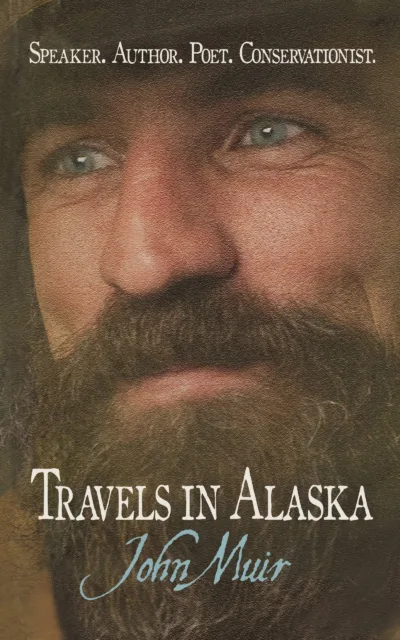
    Travels in Alaska by John Muir, with original drawings and photographs — book cover

    Travels in Alaska by John Muir — with his original drawings and photographs. A companion to the film The Unruly Mystic: John Muir.

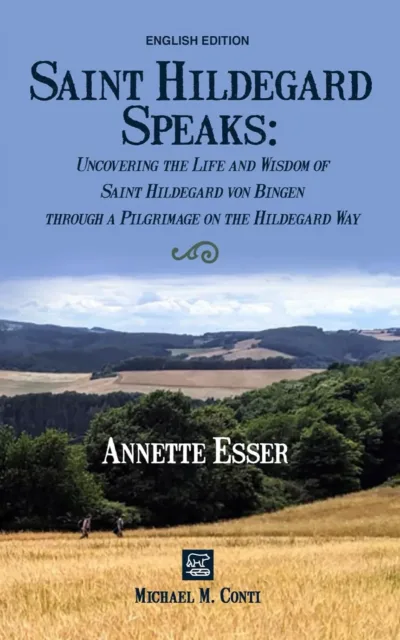
    Saint Hildegard Speaks by Dr. Annette Esser — book cover

    Saint Hildegard Speaks by Dr. Annette Esser — the life and wisdom of Hildegard of Bingen along the Hildegard Way. A companion to the film The Unruly Mystic: Saint Hildegard.

    More titles, including John Muir’s letters and John Muir in India, are in the Crazy Wisdom Publishing store on Amazon. The films are at Crazy Wisdom Films.

    As an Amazon Associate, Michael Conti Productions earns from qualifying purchases.

  • Self-Tape Like a Talent Pro: SAG-AFTRA

    Self-Tape Like a Talent Pro: SAG-AFTRA

    We hope this post finds you healthy and safe.

    During the COVID-19 global pandemic, many advertisers are still producing commercials. Instead of showing up to a set or location, performers are being asked to film themselves in their own homes.

    The Commercials Contract only covers performances. Other production services, such as hair styling, makeup application, operating cameras, filming, directing and editing, falls under the jurisdiction of other sister unions (e.g. DGA, IATSE and the Cinematographers Guild).
     
    SAG-AFTRA is advising their members: If you are working in your own home and are being asked to provide additional services like those described above, you or your agent should negotiate additional compensation outside of the Commercials Contract to perform these additional duties.  

    Learn more: https://www.sagaftra.org/commercials-production-while-safe-home

    COVID-19 Pandemic on March 11, 2020, hit Michael Conti Productions and many of our clients by the request to self-isolate. While we are happy to report, we stayed healthy in quarantine, we are deeply sadden by those of us which are less fortunate with this novel disease. We are now faced with getting back to work in a new normal. We hope that we can support a safe return to local video work by working together with our clients on providing a safe and healthy environments.

    Please reach out to us if you have any questions or concerns about working with talent on your next project.

  • Colorado Pollinator Highway gets buzzing!

    Colorado Pollinator Highway gets buzzing!

    Colorado’s Pollinator Highway

    An unanimous Joint House Resolution named Interstate 76 from Denver to the Nebraska state line the Colorado Pollinator Highway. Now, the Colorado Department of Transportation is starting the work to get the highway to live up to all that buzz.

    Obtain the education you need to know about Colorado’s Pollinator Highway.

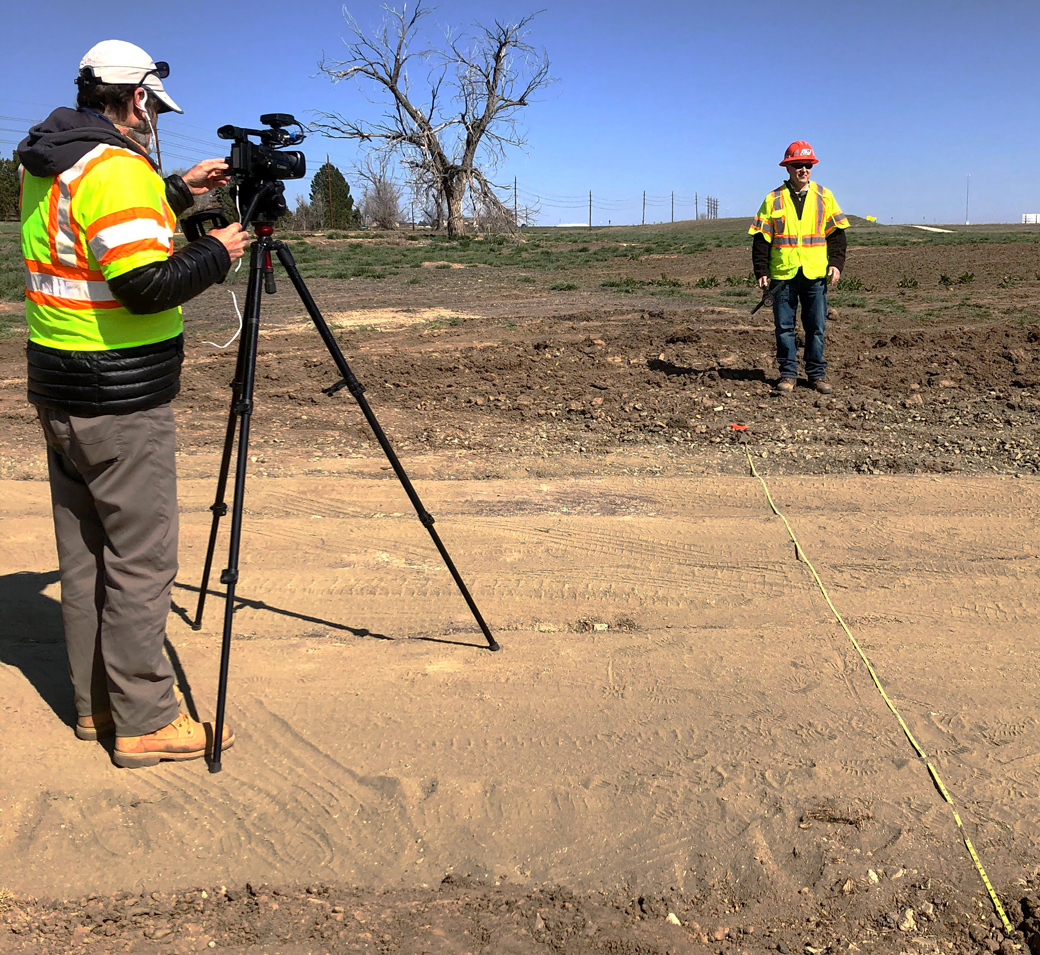
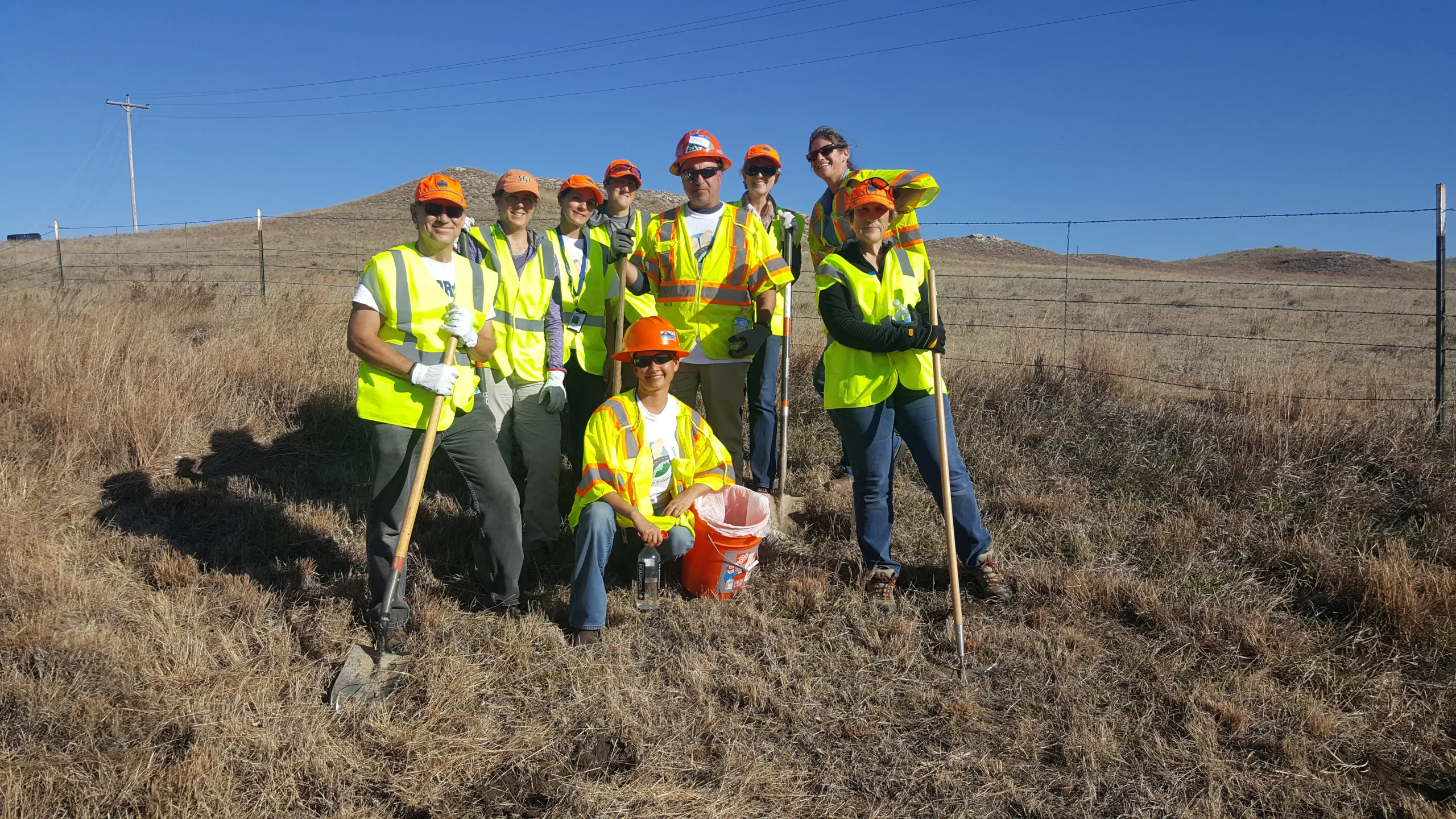
    A Michael Conti Video Productions was contracted to initiate filming activities associated with the establishment of the pollinator highway. This process took over six months in order to cover two planting seasons, one in the spring and the other in the fall. After which, the editing process commenced in order to have three CDOT approved videos to share with the public.

    pollinator highway
    CDOT Pollinator Highway Discussion

    New CDOT Pollinator Videos and Plan

    The CDOT Headquarters Landscape Architecture Section (CDOT HQ LA Section) is pleased to provide three new Pollinator Program elements. The CDOT HQ LA Section exists within the CDOT Environmental Programs Branch to provide technical training and landscape architectural expertise for a variety of project and program needs including roadside restoration and native revegetation, stormwater management, visual impact analysis, specifications, erosion control, and statewide regional environmental design and planning support.  

    Please visit for more at: CDOT

    How it All Started with the Pollinator Highway

    All of this started with a 2014 presidential memorandum encouraging departments of transportation to “identify opportunities to increase pollinator habitat along roadways and implement improvements, as appropriate.”

    I-76 was chosen because it is a federal highway that runs through environmentally sensitive areas like the eastern plains, where agriculture is one of the primary economic drivers. It is also a key area for migratory butterflies.

    “Pollinators are vital to our ecology, our economy and our industry,” said Carol Parr, regional environmental manager for CDOT. “It just takes a small shift in how we regularly do our work to help provide an environment where they can thrive.”

    One of those shifts involves mowing. Crews will still mow the grass 15 feet from the roadway, but during the main pollinator months (April to September), the other grassy areas will not be mowed.

    Managing noxious weeds will also be more specialized along the corridor. In fact, CDOT will have a roadside manager for the corridor, who will also oversee the statewide vegetation management program. That program will promote genetically appropriate plants that support self-sustaining dynamic ecosystems, which are resistant to invasion by non-native or invasive species.

    “While I-76 is our designated corridor, we fully expect to take lessons learned here to other areas of the state where we can assist with pollinators,” Parr said.

    CDOT is also partnering with several other groups, like the Butterfly Pavilion, Colorado Pollinator Network and People Pollinators Action Network, to assist with mapping of existing roadside habitat, and helping to restore and improve those habitats.

    https://www.codot.gov/news/2018/july/i-76-is-buzzing-about-new-pollinator-highway-designation-1


    Here are some pollinators in Colorado:

    • Bees: Colorado has 946 species of native bees
    • Butterflies: Colorado has 250 species of butterflies
    • Moths: Colorado has over 1000 species of moths
    • Hummingbirds: Colorado has 11 species of migrating hummingbirds that arrive in April and usually leave in September
    • Beetles: Beetles are among the pollinators keeping nature vibrant
    • Bats: Bats are important pollinators
    • Flies: Flies are important pollinators
    • Ants: Ants are important pollinators
    • Birds: Birds are important pollinators
    • Plants: Some great pollinator plants for Colorado include indigo bush, antelope-horns milkweed, purple poppy mallow, white prairie clover, narrow-leaf coneflower, and Indian blanket

    To make a beneficial pollinator garden, To make a beneficial pollinator garden, you need a water source, a sunny area with windbreaks, and a garden that offers year-round blooms for pollinators to visit. Native Colorado flowers are great for native bees, and non-native flowers like sage will be smothered in bees come midsummer.

    Pollinator Highway
    Backyard pollinators
  • Monetizing Your Film Through Theatrical Distribution

    Monetizing Your Film Through Theatrical Distribution

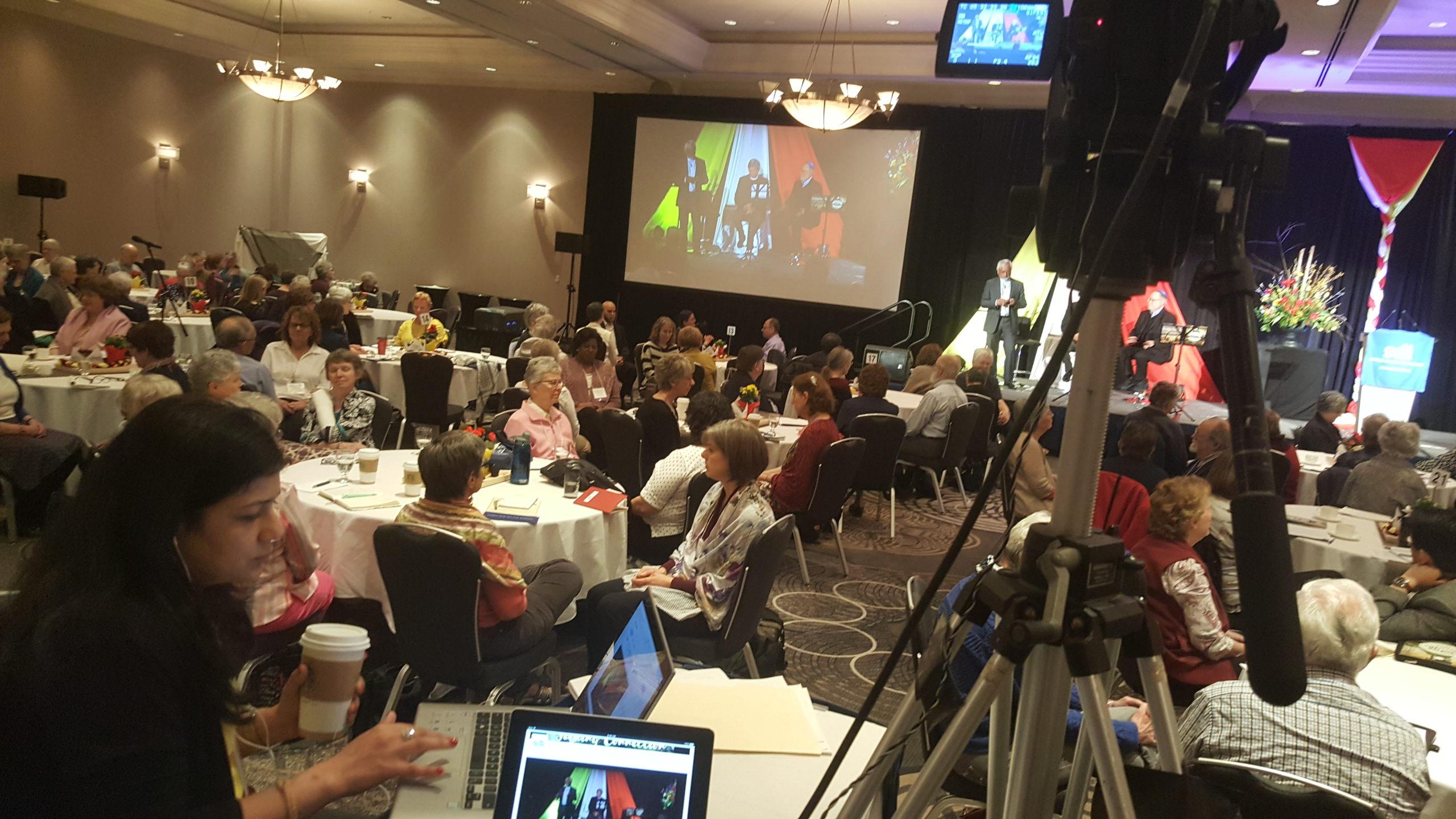
    My talk on “Monetizing Your Film Through Theatrical Distribution” at AVX 2019, October 16 at the largest annual gathering of film, video, broadcast, digital media and audio visual professionals in the Rocky Mountain Region was well-attended.

    Michael Conti will share details from his filmmaking experience of getting 50 theatrical screenings nationwide in one year without using a traditional distributor. Learn how to find your audience, determine the best venues, do social media marketing that is more organic than paid, and monetize your efforts through third party ticketing and split box office revenues. Find the ideal partners to help with promotion, and see your dream on the silver screen, too!

    Rocky Mountain Audio Video Expo 2019

    The Rocky Mountain Audio Video Expo @AVXpo is the premier annual trade show where manufacturers meet directly with the decision makers in IT, film, AV, video, broadcast, sound, animation, computer imaging and editing through workshops, speakers and exhibitor booths. AVX attendees get one-on-one access to some of the industry’s leading experts. The 2019 AVX is October 16-17 at the Crowne Plaza DIA in Denver, Colorado. Learn more: http://www.avxpo.biz/

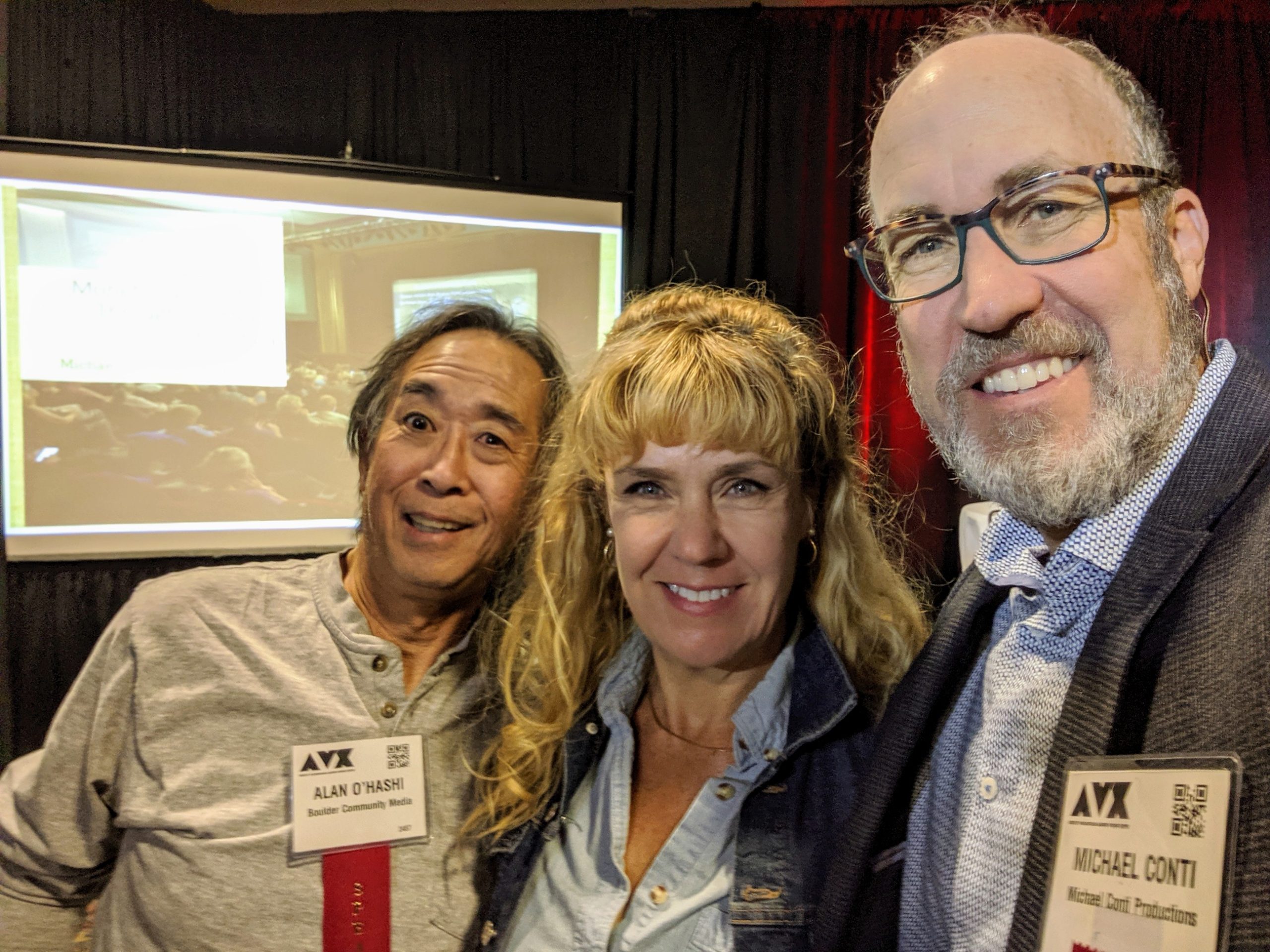
    Hanging out with Alan O’Hashi (Boulder Community Media), Heather Boyle (Producer of The Unruly Mystic: John Muir) and Michael Conti, Owner of Michael Conti Productions LLC.

    You can learn more about the presentation at: https://crazywisdomfilms.com/self-distribution-gamechanger/

  • Be Colorado Video Shoots – University of Colorado

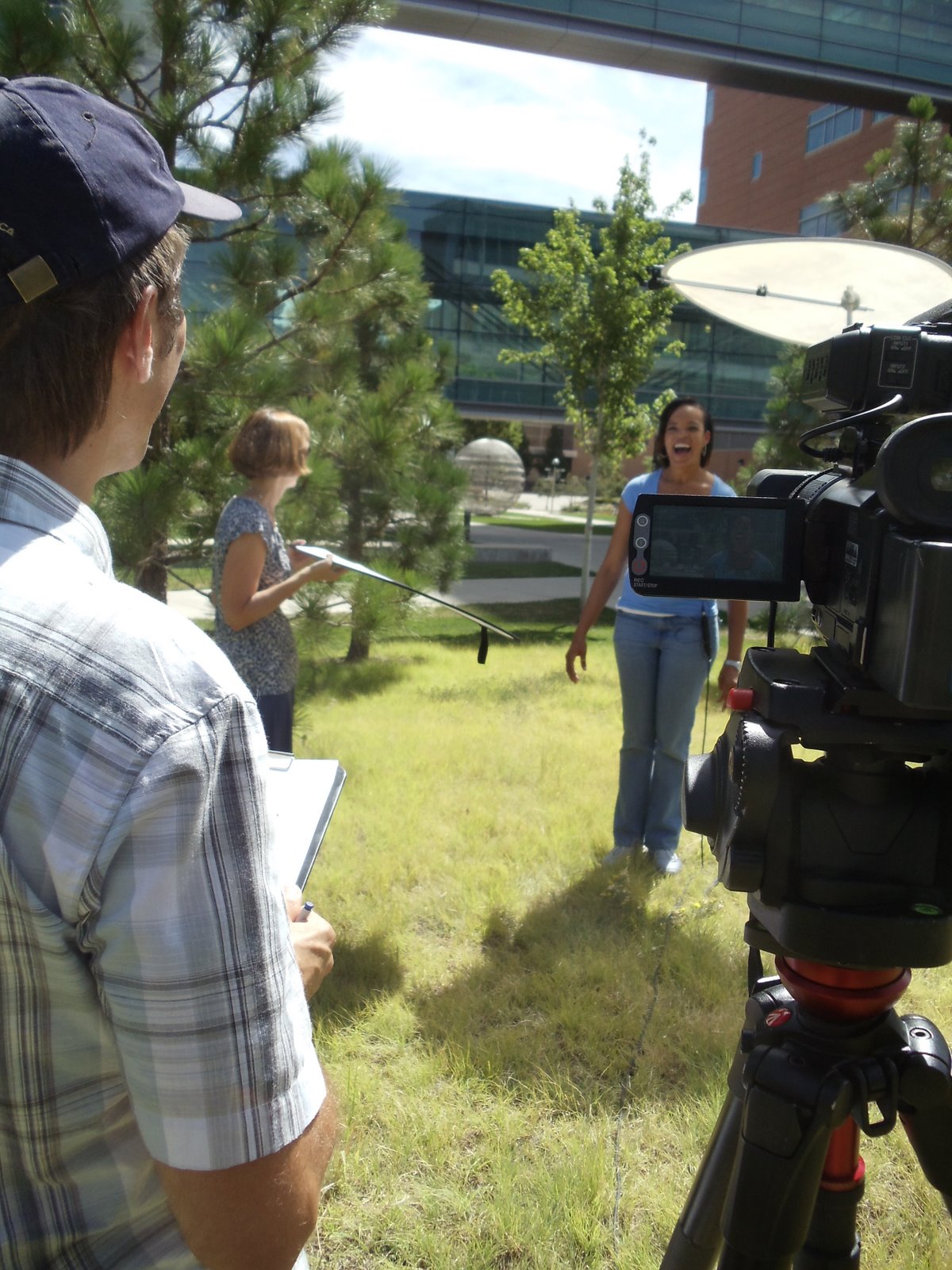
    In support of the University of Colorado’s campaign to introduce their employees to a new healthcare awareness program, A Michael Conti Video Productions was hired to shoot 10 short videos during the fall of 2011.

  • 5 Things to Ask Yourself Before Picking a Video Professional Partner

    5 Things to Ask Yourself Before Picking a Video Professional Partner

    If producing videos is part of your overall strategy, one of the most important decisions you’re going to have to make is who to work with, for doing the actual heavy lifting, is picking the video professional partner. There are literally thousands of video production companies out there, and finding the perfect fit can be daunting. You could find yourself swimming with sharks, who are more interested in what you can spend budget-wise than one what you actually need done. If producing videos is part of your overall strategy, one of the most important decisions you’re going to have to make is who to work with, for doing the actual heavy lifting, is picking the video professional partner. There are literally thousands of video production companies out there, and finding the perfect fit can be daunting. You could find yourself swimming with sharks, who are more interested in what you can spend budget-wise than one what you actually need done.

    Your instinct may be to watch a few sample videos and make a decision, but you should take the time to mindfully consider what an ideal video partner might look like.

    Ideal video partner

    While we can’t find the perfect fit for you, we can throw a life preserver to help you get in the right direction. Here are 5 simple questions to ask yourself before making your selection.

    1. Do they care about my company?

    Give them a call.  Don’t depend upon email, chat or texting.  Speak in person.  You’ll get a pretty good idea within minutes how much they care about your business versus just your money.

    Do they ask relevant, specific questions about your video concept?  Are they actively interested in knowing who your audience is, how you intend to reach that customer with the video, what your expectation is to determine if the video worked or not, or is the person just trying to nail down how much money you have to spend? You want to make sure that the video professional you decide to work with is going to be passionate about your project and invested in making your video a success.

    2. Do they have innovative and creative ideas?

    With so many video companies out there, everything can start to look and sound the same after a while (especially among more recent companies). And if it appears “same old” to you, chances are it will look old to your customers.

    Try to find a video professional partner that strives to create truly unique work and has experience in a variety of different types of work.  It will make your video more memorable and help it stand out from the pack. If you’re not sure, ask the company to verbally pitch you a few ideas first. This simple exercise will probably show you if they have the ability to come up with something special or not.    Most video professionals are not too concerned with kicking around some creative concepts if asked during a call,  but be mindful if you expect them to develop additional creative concepts with storyboards and scripts on spec to win a potential job.

    3. What are their Relationships with Existing Clients?

    Nothing is more telling than relationships with existing clients.  Do you know these brands? Can they back it up with testimonials?

    4. What is the production value?

    Production value is that extra special sauce that a seasoned professional can bring to a final product, it is why you are will to spend more dining out at a nice restaurant than taking the same ingredients home, to make a home cooked meal.

    Ask specific questions about a video they did that you like , and find out how they added production value without adding additional costs to the customer.

    5. Do they fit my budget?

    So a homeowner needs to do a remodel on their bathroom before putting their house on the market. You know you need to hire a contractor who already has the experience with this type of labor.  He is there to help you envision the bathroom based upon the budget you are willing to spend. Either way, you decide if you want nickel or copper plated faucets.   The end result when working with the right person is a new bathroom that increases the overall value of your property.  It is your budget.

    But to make make money, you need to spend money. Ask what is possible.

    Hiring the right video professional partner for your unique needs can be stressful.  So before you jump in,  make sure you have clearly define your goals and your budget.  Look at samples of videos you like in our portfolio and take the time to ask us about our production process. These tips will help you identify the right match even if you don’t select Michael Conti Productions.

    video professional partner
  • Empowers movement of Social Emotional Learning

    Empowers movement of Social Emotional Learning


    “I really enjoyed working with you on this video. You did a remarkable job of capturing, selecting and most of all understanding the heart of this story. I was very impressed. And now people know a little more about all the good that is going on in Atlanta–it gives us all hope.”


    – Gary Dixon, President of Random Acts of Kindness Foundation and Foundation for a Better Life.

    Video empowers audience with social emotional learning stories

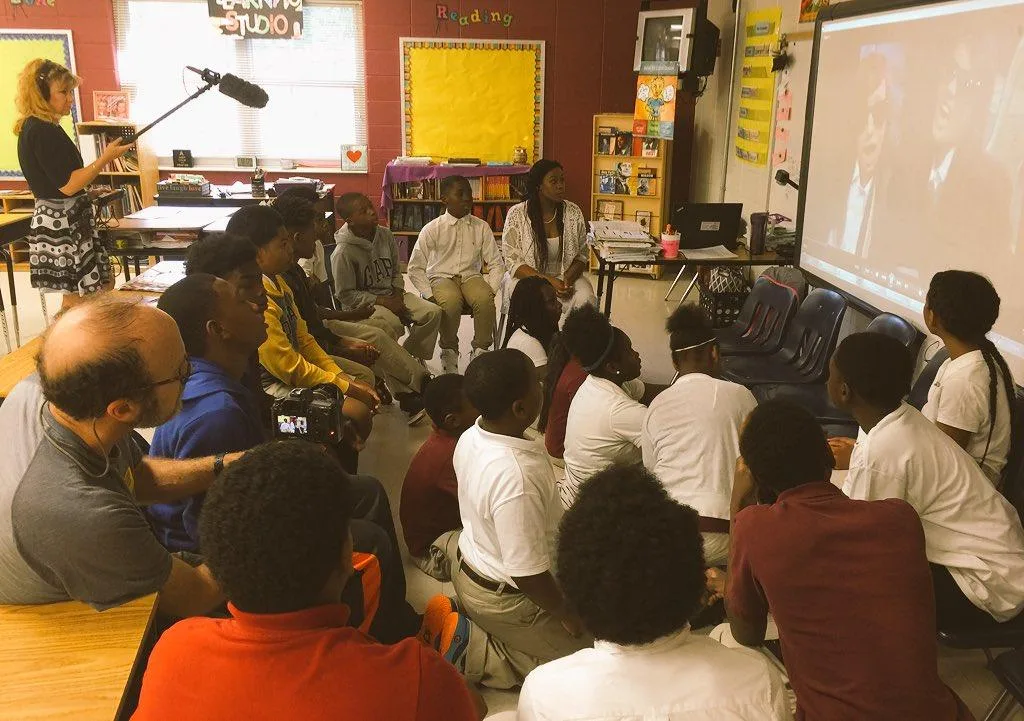
    This video captures a movement occurring across America’s educational landscape. It almost didn’t happen in a timely manner.   Michael Conti Video Productions became contacted by Random Acts of Kindness Foundation.  The end-result of the 5 minute video came from 10 hours of video captured of both students, administrators, teachers and parents from the Atlanta Public Schools.  We visited over two shoots into inner city schools there.  Those videos were then transcribed professionally to help with narrowing the video editing process by the Boulder Video Editor, Michael Conti.

    The stories in the video were authentically captured in classrooms or wherever there was room for the 2-person crew to set up.  We had natural lighting and practical florescent lighting along with a well-placed mic for the majority of the interviews caught with Canon XF100.  B-roll was captured with a Canon 6D.

    Besides color correction and audio sweetening by our support contractors, the magic happened again when we went into Coupe Studios, a local Boulder award-winning recording studio, to do the final mix after receiving an original score by Los Angeles based composer Chris Piorkowski.

    Conclusion

    The end result is a video that moves people.  Let’s us know otherwise.

    Since the Atlanta Public Schools hadn’t yet complied all the data on the metrics of the one year test implementation of SEL into some of their schools.  What we captured on the video became the anecdotal research results.  They were impressed with what they heard and saw!

  • Filmmakers who aren’t afraid to break new ground

    Filmmakers who aren’t afraid to break new ground

    While our inspirational documentary film, The Unruly Mystic: John Muir, indie budget pales in comparison to a Hollywood film, Boulder Colorado based Michael Conti Productions decision to use an integrated Adobe workflow with Adobe Premiere Pro at the hub, was a given for this tech-savvy and budget conscious producer, director and editor, Michael M. Conti.

    Adobe Premiere Pro was used to edit 21 films that will appear at the Sundance Film Festival this year, up from only 9 in 2014. After pairing up with Adobe After Effects CC, Premiere’s capabilities and ease of use noticeably improved, attracting more and more devoted users.

    Case in point:

    Gone Girl is the first Hollywood feature-length film cut entirely in Adobe Premiere Pro CC.

    This final tidbit of news was a welcome surprise to the independent film community.

    Much of the visual effects work was done in-house, which allowed the team to work iteratively, in parallel with the editing. For example, Michael Conti could edit in Adobe Premiere Pro while others worked on shots in After Effects. The saved compositions would automatically update in Conti’s timeline thanks to Adobe Dynamic Link. This integrated and interactive workflow kept shots looking cleaner and eliminated distracting back-and-forth discussions so the entire team could focus on the story as it took shape in the edit bay. This streamlined workflow was one of the main advantages for “The Unruly Mystic.”

    The process of editing this 105 minute movie with Premiere Pro from the ingest of assets (originally shot on two CANON XF100s), to individual scene editing (taking advantage of sub-clip and bin folders), to combining the multiple scenes in a single timeline (flatten) will be a subject of another post.

    Learn more about Adobe Creative Cloud

  • Streaming video services a larger audience

    Streaming video services a larger audience

    Live Streaming is a powerful way to participate in an interactive manner and broaden the scope of your audience.

    A Michael Conti Video Productions has the expanded ability to provide affordable streaming video services anywhere you need to be as long as there is either hard-wire internet or wireless cell phone service.

    MCP can also record the video for future distribution like DVD or monetized future viewing.   MCP works closely with one of the leading internet providers of streaming video to insure that your channel is properly presented to a regional or global audience.  Simple tools allow for real-time statistics on who is watching and where they are watching from. Ability to password and monetize access to the channel being presented.  Additional chat and social media tools add to the interactive dialog between live presenters and the net audience during a presentation.

    Some of our current work:

     “I felt like I was right there.”  – online Christ Path viewer.

    Dr. Matthew Fox and Andrew Harvey
    Dr. Matthew Fox and Andrew Harvey

    MCP  is providing video and streaming services to Csource Wisdom, who is a resource center for Creation Spirituality education, materials, art and music.  Csource is responsible for the online content and video sales for Christ Path Seminars, a powerful three-year series of twelve initiations co-directed by the Rev. Dr. Matthew Fox and Andrew Harvey.  Our first event in Oakland, California, had over 180 online viewers during the 12 hours of streaming provided.  Online members were able to watch live or after the event as the stream was captured online which is helpful for other time zone.  The content can also be provided on other media after the event like DVDs.

    Best Practices:

    To insure a good viewing experience for the online audience,  we conducted an early practice session with the online audience a week prior to the event.  Normal problems like avoiding poor wireless connections were addressed like you need to plug your computer into the hard-wire internet connection in the route at home or in the office.  MCVP also worked closely with the hosts of the seminar to make sure they were addressing the online audience at various points during the weekend long seminar.

    This was not your typical lock-off the camera approach, but a very active hands-on filming to insure the maximum benefit to the online audience.

    If you are looking for streaming video services for your next event, retreat or conference, please give us a call at 303-641-7228.

  • Don’t misrepresent yourself with a poorly produced video!

    Don’t misrepresent yourself with a poorly produced video!

    Like your website, your email marketing and your printed materials, the video that your company produces is representative of your brand. It can take a lot of time to plan, script, shoot and edit a video. Make sure your clips look and sound professional to protect and enhance your brand reputation and show consumers that you care.

    Colorado Community College System‘s provost office made sure that their videos were the best for their message by hiring Michael Conti Productions.