Author: A/MCP

  • AI Mental Health

    AI Mental Health

    Co-Creative practice is non-linear

    AI mental health is mental experience that I have been going through with AI Co-Creation.

    In my case, where I am directing a creative process with AI as an assistant. This role specifically involves organization of transcripts, building B-Roll prompts, and storyline evaluations with a variety of AI tools. It is a pre-post production process that I have done many times prior to AI. After long AI sessions, I noticed a shift of cognition away from remembering every procedural step and toward aesthetic judgment, and conceptual direction, making discernment and synthesis more central than manual repetition of process.

    I generally can remember things, but when I started getting more in the flow with AI co-creative, I noticed that I wasn’t able to remember each step anymore. It became a blur. I tried to document everything but that becomes burdensome. I thought maybe I was losing my memory due to age. That isn’t really the case, I am not that old yet 🙂 Is anyone else experiencing this effect? And if so, what method of discernment do you apply? Do you ask for a summarization of how you got to where you are?

    AI Mental Health Discernment in Co-Creative

    The Sense–Sample–Shape–Stage framework (PDF) offers a practical, theory-aware way to work with AI without giving up authorship or quality. Sense aligns purpose, references, and ethics; Sample opens the gates to abundance and surprise; Shape restores coherence through editorial craft and integration; Stage turns artifacts into situated experiences and feeds learning back into the next cycle. Reading our practice through Manovich’s five-phase arc clarifies a final point: evaluation is no longer just a verdict; it’s an opportunity for prediction and adaptation. The next generation of creative systems will not only generate on cue but will also help us anticipate reception. Our framework is ready for that world: it keeps the human decisively in the loop while embracing AI’s gifts—speed, scale, and serendipity.

    • Immersive Lab & Royal Academy of Fine Arts Antwerp, Belgium
    AI Mental Health
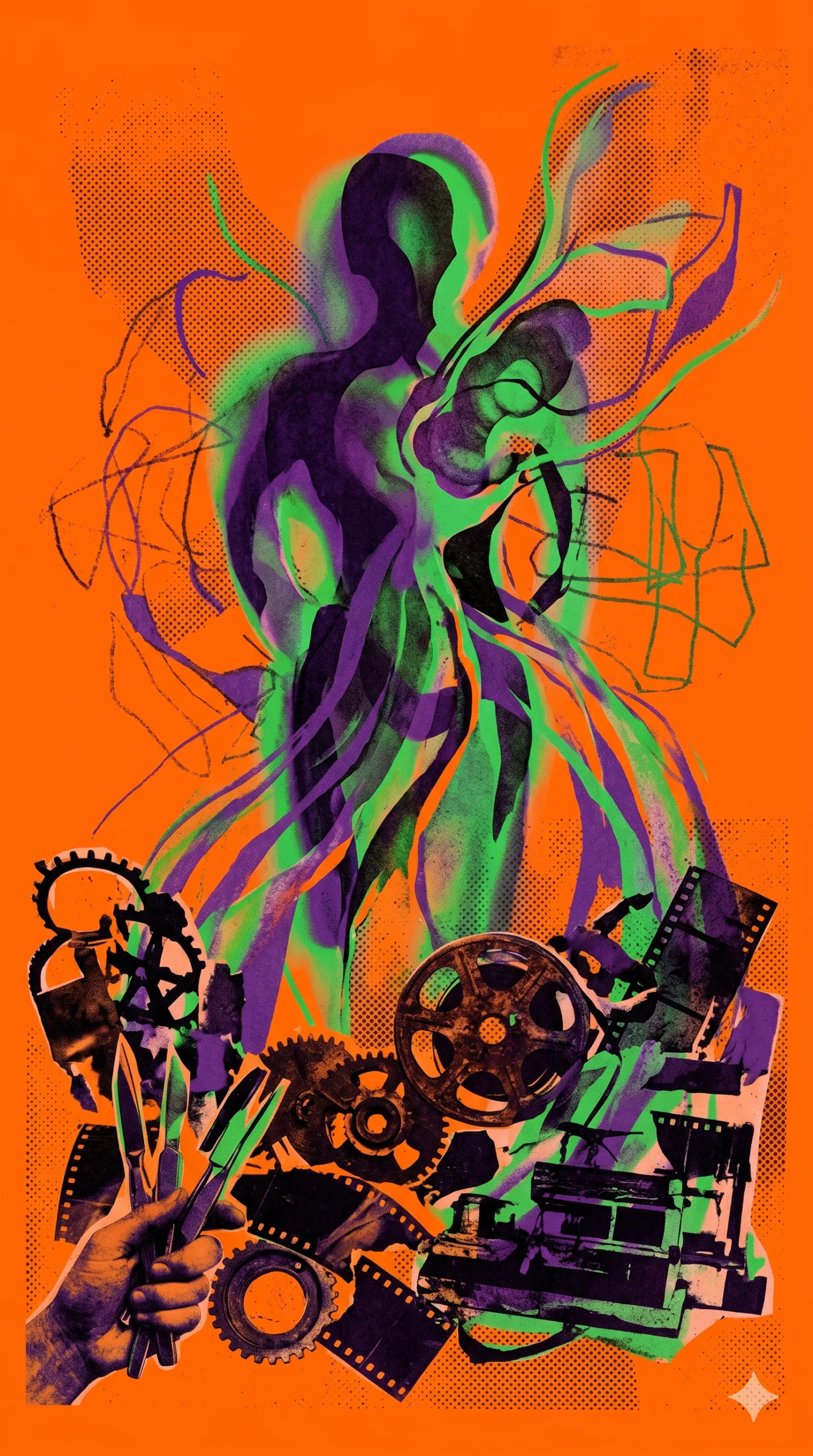
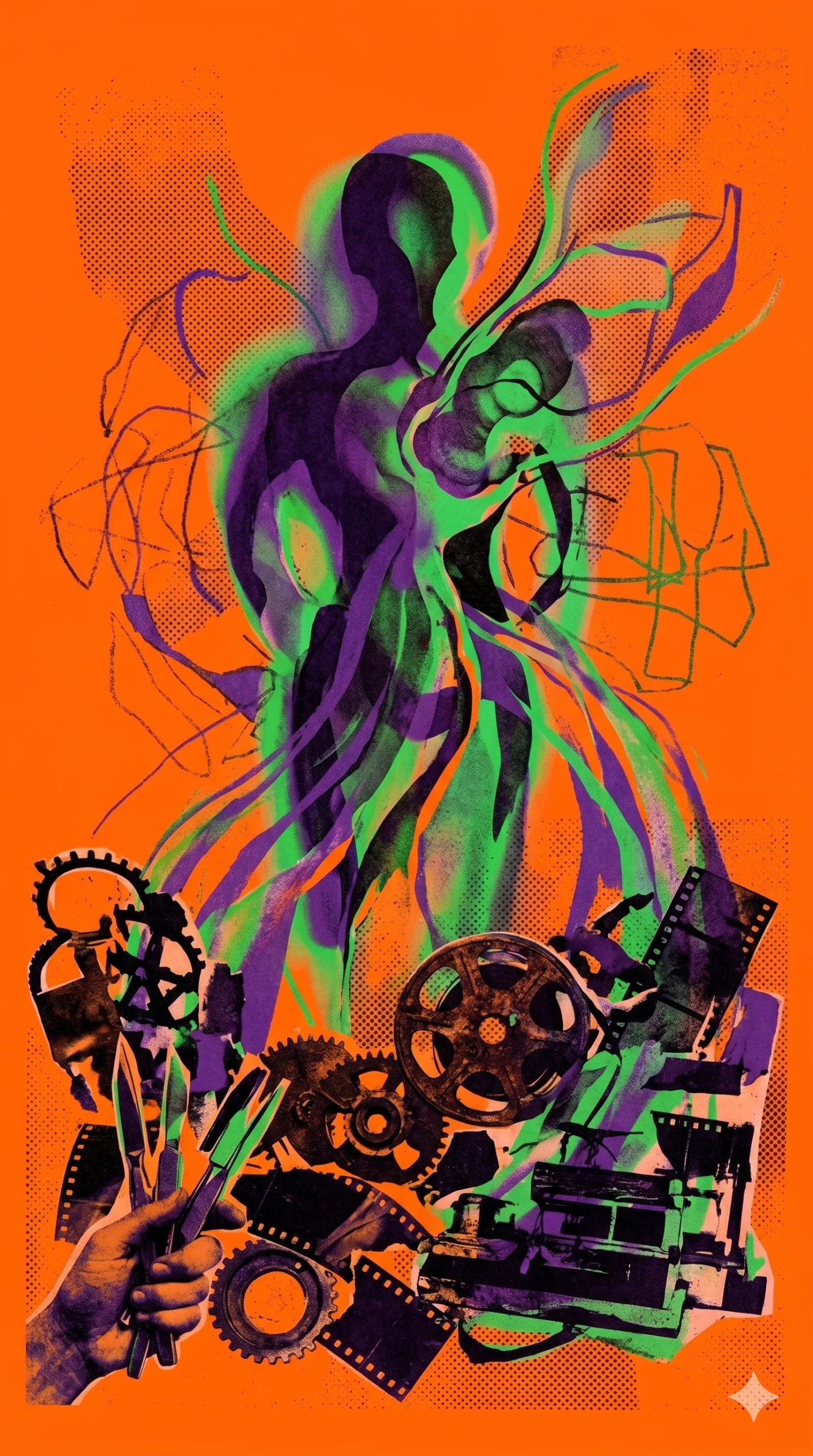
    AI Mental Health Image from Gemini based upon prompt

  • “American Pachuco” ~ Sundance Gives a Legend of Stage and Screen His Due!

    “American Pachuco” ~ Sundance Gives a Legend of Stage and Screen His Due!

    I attended Sundance Film Festival very first screening and community gathering outside of Boulder, Colorado. I was happy to get a group of my Front Range Community College students on the guest list to experience this screening and community event. Thank you Sundance Institute. But the absolute highlight? During the Q&A, the legendary Luis Valdez (iconic creator of Zoot Suit and La Bamba), now in his 80s, was a cultural breath of fresh air.

    There would be no Bad Bunny at the Super Bowl if Luis Valdez hadn’t been on Broadway in 1979 with Zoot Suit in Spanish. And the film we all came to see, “American Pachuco: The Legend of Luis Valdez” by David Alvarado was as captivating and inspiring as Luis Valdez.

    This is exactly what Sundance is about: bringing the “best of the best” into our community spaces to inspire us all to make the world a better place. Sundance Film Festival comes to Boulder in January 2027!

  • Rebecca Heineman aka Burger Bill

    Rebecca Heineman aka Burger Bill

    In 1992, I first met Rebecca Heineman, an actual computer game programmer with whom I was slated to work. She was the first of many self-taught individuals I would get to know at the new dawn of the computer video game era. Those memories, from my three short years at Interplay Productions, have lasted a lifetime. Among my responsibilities (which included producing and directing SimCity Enhanced CD-ROM), I also fulfilled the daily lunch order of keeping Rebecca well supplied with burgers.

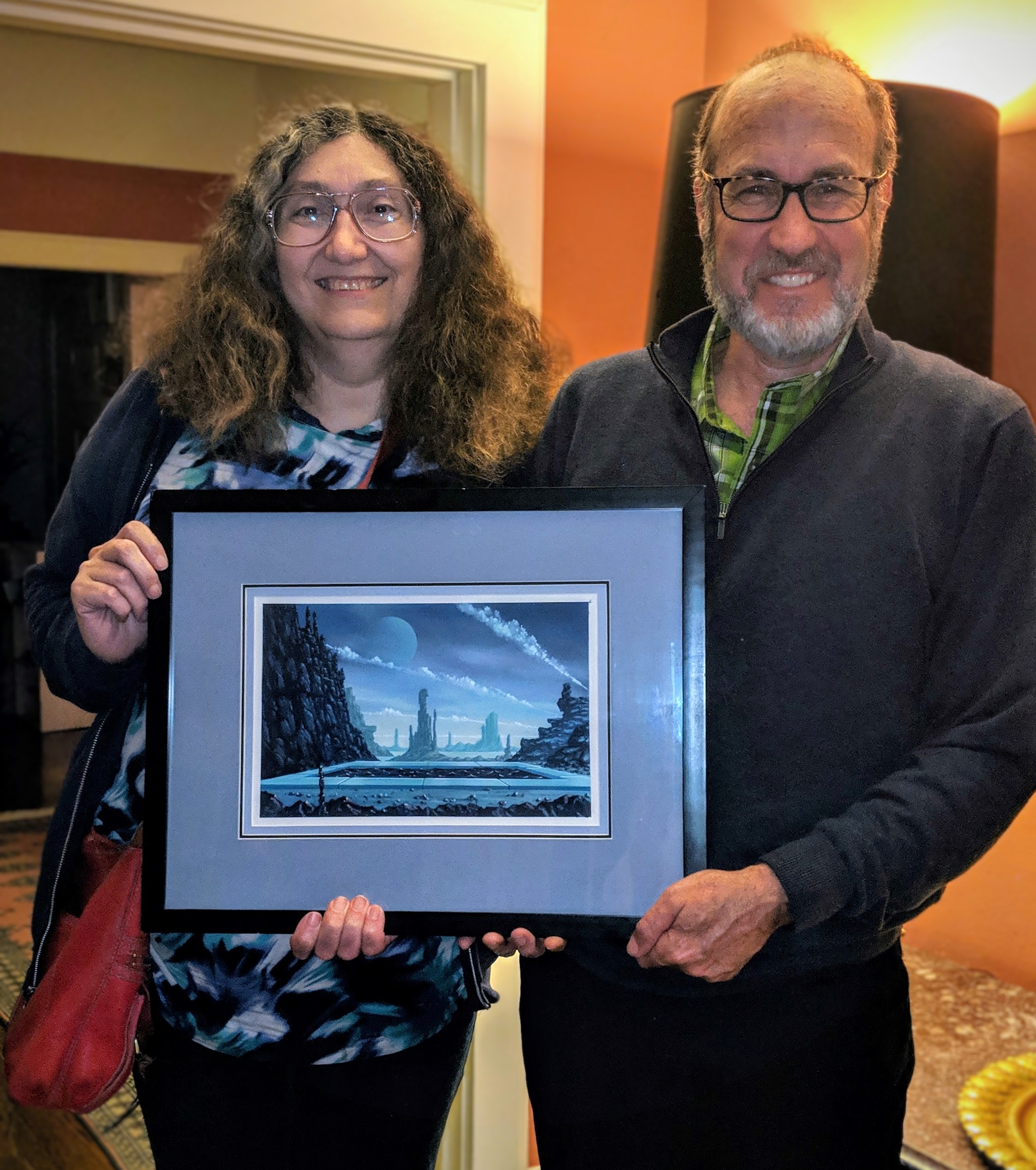
    In 2019, I had the pleasure of meeting her again, along with her spouse, Jennell Jaquays. I was there to gift Rebecca a rare matte painting used in Éric Chahi’s amazing game Out Of This World as part of its release on the new 3DO platform. I had commissioned matte paintings from a Hollywood storyboard artist, who recreated new background paintings to enhance the visual quality of those scenes for playback on the 3DO player. Those scenes were originally rendered in lower resolution graphics, often using 256 colors (8-bit) in that early era, while the 3DO supported 16-bit palettized color or true 24-bit color.

    Her passing in late 2025 is deeply felt across a larger community.

    Ms. Heineman, who taught herself to program at the dawn of the home video game era, in the 1970s, made her name as a founder of a number of game studios, including Interplay Productions (now Interplay Entertainment), Logicware and Contraband Entertainment. She was known as well for her innovative work on the development of the popular game Doom for 3DO, a type of console introduced in the 1990s. In 1983, while still working under her birth name, she joined the noted game developer Brian Fargo, along with Jay Patel and Troy Worrell, to start Interplay.

    Among the projects she developed or helped develop were the popular fantasy role-playing games Dragon Wars, released in 1989 for computers like the Commodore 64 and Apple II, and The Bard’s Tale III: Thief of Fate, a title that was released a year earlier. It was included in the exhibition “The Art of Video Games” at the Smithsonian American Art Museum in Washington in 2012.

    Rebecca Heineman, Transgender Video Game Pioneer, Dies at 62, New York Times ~ Dec. 4, 2025

    Rebecca Heineman and Michael M. Conti, Berkeley, California 2019. Photo by Heather Boyle.