Tag: Video Documentation

  • The best format for storing digital movies in 2023

    The best format for storing digital movies in 2023

    With the ever-increasing popularity of streaming services, it may seem like there’s no need for storing digital movies anymore. However, there are still many reasons why you might want to be storing your own digital movies, such as:

    • You can watch them offline, without having to worry about an internet connection.
    • You can watch them in higher quality than what is available on streaming services.
    • You can share them with friends and family.

    If you’re thinking about storing your own digital movies, there are a few things you need to consider, such as:

    • File size: The file size of a digital movie can vary greatly, depending on the quality of the video and audio. High-definition movies can easily be 5 GB or more in size.
    • Codec: The codec is the software that is used to compress and decompress the video and audio data. Different codecs have different trade-offs between quality and file size.
    • Container: The container is the file format that holds the video and audio data. Different containers support different features, such as subtitles and chapters.

    Here are some of the best formats for storing digital movies in 2023:

    • H.264: H.264 is a widely supported codec that offers a good balance between quality and file size. It is the most common format for streaming services, and it is also supported by most media players.
    • HEVC (H.265): HEVC is a newer codec that offers better compression than H.264. This means that you can get the same quality of video with a smaller file size. However, HEVC is not as widely supported as H.264, so you may need to use a specialized player to watch your movies.
    • MKV: MKV is a container format that supports a wide range of features, including subtitles, chapters, and audio tracks. It is a good choice if you want to store your movies with all of the extras.
    • MP4: MP4 is another popular container format that is supported by most media players. It is a good choice if you want a simple format that is easy to use.

    No matter which format you choose, it is important to back up your movies regularly. This will protect them from loss or damage. It is essential to ensure that you have multiple copies of your movies stored in different locations. By having these backups, you can have peace of mind knowing that even if something happens to the original copies, you will still have access to your movies. Additionally, it is recommended to use reliable storage devices or cloud services to store your backups. This way, you can easily retrieve your movies whenever you need them, no matter where you are. Taking the time to regularly back up your movies is a simple but effective measure to safeguard your valuable collection.

    Here are some tips for backing up your digital movies:

    • Use a cloud storage service, such as Google Drive or Dropbox.
    • Use an external hard drive or USB drive.
    • Burn your movies to DVDs or Blu-rays.

    Click here to check out the Maxell 639002 Write Once Recording Format Superior Archival Life DVD on Amazon.

    By following these tips, you can ensure that your storing digital movies are safe and accessible for years to come. This practice is a must follow at Crazy Wisdom Films, an exceptional production company that specializes in creating and preserving remarkable cinematic experiences. With their vast collection of titles, which includes the critically acclaimed documentary “The Unruly Mystic: John Muir“, Crazy Wisdom Films continues to curate and deliver captivating stories that inspire and captivate audiences worldwide.

    Whether you are a fan of thought-provoking narratives or simply appreciate the art of storytelling, Crazy Wisdom Films is dedicated to providing exceptional content that transcends the boundaries of time and culture.

    Storing digital movies

  • Self-Tape Like a Talent Pro: SAG-AFTRA

    Self-Tape Like a Talent Pro: SAG-AFTRA

    We hope this post finds you healthy and safe.

    During the COVID-19 global pandemic, many advertisers are still producing commercials. Instead of showing up to a set or location, performers are being asked to film themselves in their own homes.

    The Commercials Contract only covers performances. Other production services, such as hair styling, makeup application, operating cameras, filming, directing and editing, falls under the jurisdiction of other sister unions (e.g. DGA, IATSE and the Cinematographers Guild).
     
    SAG-AFTRA is advising their members: If you are working in your own home and are being asked to provide additional services like those described above, you or your agent should negotiate additional compensation outside of the Commercials Contract to perform these additional duties.  

    Learn more: https://www.sagaftra.org/commercials-production-while-safe-home

    COVID-19 Pandemic on March 11, 2020, hit Michael Conti Productions and many of our clients by the request to self-isolate. While we are happy to report, we stayed healthy in quarantine, we are deeply sadden by those of us which are less fortunate with this novel disease. We are now faced with getting back to work in a new normal. We hope that we can support a safe return to local video work by working together with our clients on providing a safe and healthy environments.

    Please reach out to us if you have any questions or concerns about working with talent on your next project.

  • Colorado Pollinator Highway gets buzzing!

    Colorado Pollinator Highway gets buzzing!

    Colorado’s Pollinator Highway

    An unanimous Joint House Resolution named Interstate 76 from Denver to the Nebraska state line the Colorado Pollinator Highway. Now, the Colorado Department of Transportation is starting the work to get the highway to live up to all that buzz.

    Obtain the education you need to know about Colorado’s Pollinator Highway.

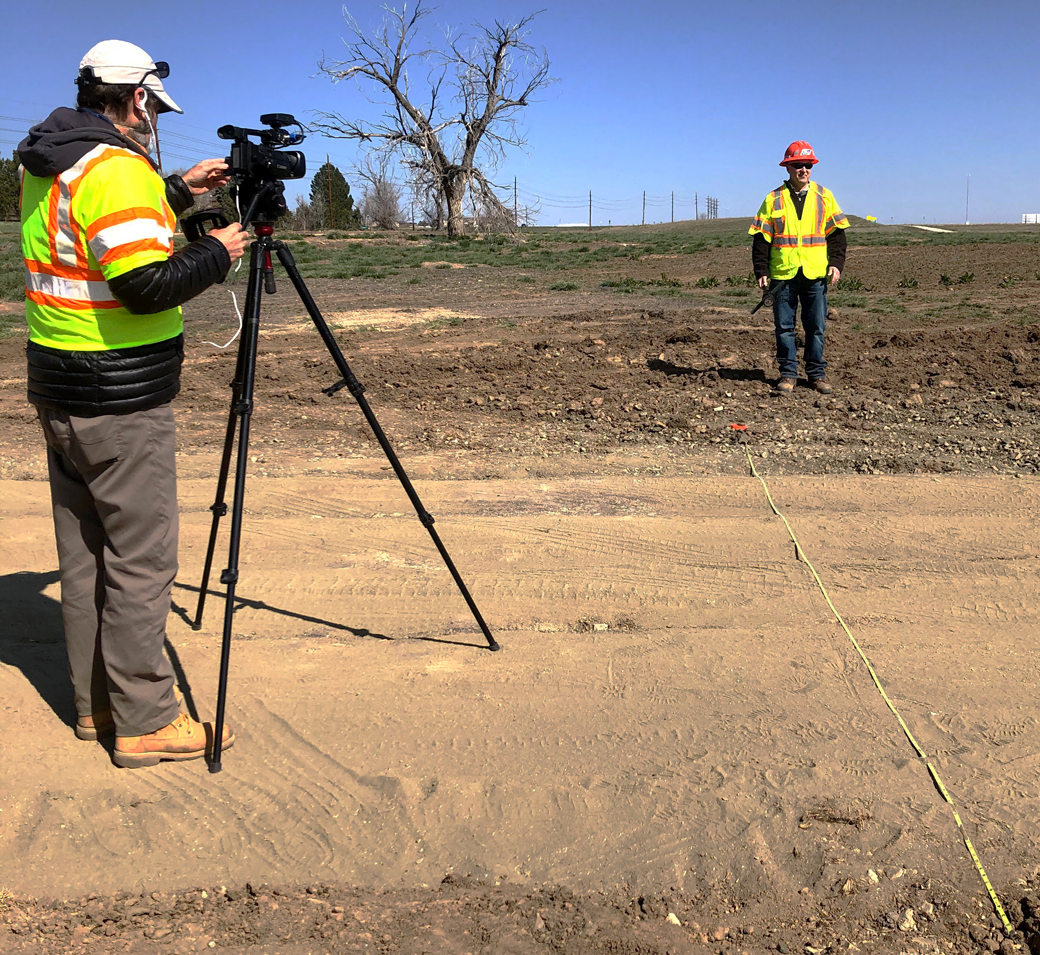
    A Michael Conti Video Productions was contracted to initiate filming activities associated with the establishment of the pollinator highway. This process took over six months in order to cover two planting seasons, one in the spring and the other in the fall. After which, the editing process commenced in order to have three CDOT approved videos to share with the public.

    pollinator highway
    CDOT Pollinator Highway Discussion

    New CDOT Pollinator Videos and Plan

    The CDOT Headquarters Landscape Architecture Section (CDOT HQ LA Section) is pleased to provide three new Pollinator Program elements. The CDOT HQ LA Section exists within the CDOT Environmental Programs Branch to provide technical training and landscape architectural expertise for a variety of project and program needs including roadside restoration and native revegetation, stormwater management, visual impact analysis, specifications, erosion control, and statewide regional environmental design and planning support.  

    Please visit for more at: CDOT

    How it All Started with the Pollinator Highway

    All of this started with a 2014 presidential memorandum encouraging departments of transportation to “identify opportunities to increase pollinator habitat along roadways and implement improvements, as appropriate.”

    I-76 was chosen because it is a federal highway that runs through environmentally sensitive areas like the eastern plains, where agriculture is one of the primary economic drivers. It is also a key area for migratory butterflies.

    “Pollinators are vital to our ecology, our economy and our industry,” said Carol Parr, regional environmental manager for CDOT. “It just takes a small shift in how we regularly do our work to help provide an environment where they can thrive.”

    One of those shifts involves mowing. Crews will still mow the grass 15 feet from the roadway, but during the main pollinator months (April to September), the other grassy areas will not be mowed.

    Managing noxious weeds will also be more specialized along the corridor. In fact, CDOT will have a roadside manager for the corridor, who will also oversee the statewide vegetation management program. That program will promote genetically appropriate plants that support self-sustaining dynamic ecosystems, which are resistant to invasion by non-native or invasive species.

    “While I-76 is our designated corridor, we fully expect to take lessons learned here to other areas of the state where we can assist with pollinators,” Parr said.

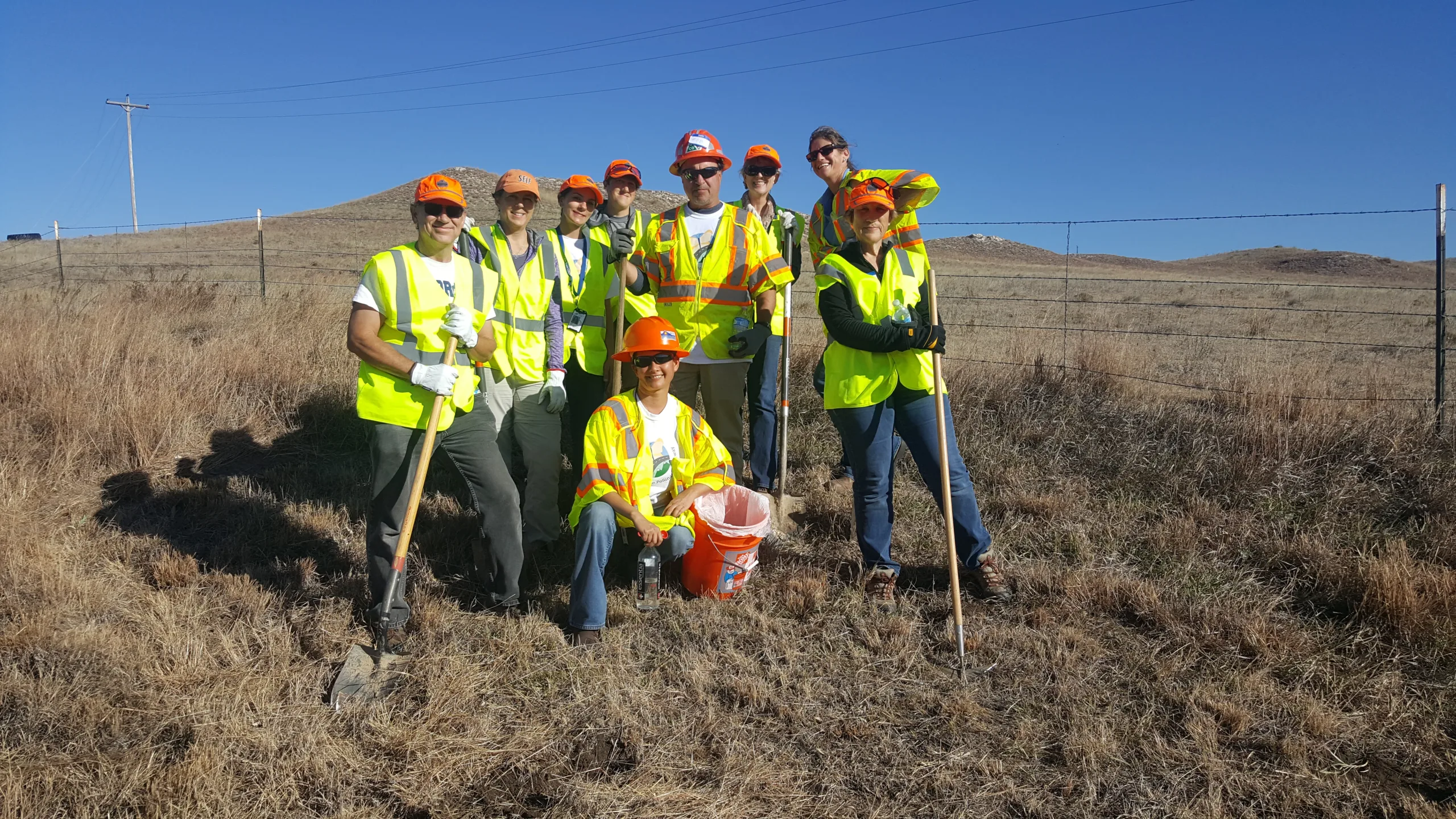
    CDOT is also partnering with several other groups, like the Butterfly Pavilion, Colorado Pollinator Network and People Pollinators Action Network, to assist with mapping of existing roadside habitat, and helping to restore and improve those habitats.

    https://www.codot.gov/news/2018/july/i-76-is-buzzing-about-new-pollinator-highway-designation-1


    Here are some pollinators in Colorado:

    • Bees: Colorado has 946 species of native bees
    • Butterflies: Colorado has 250 species of butterflies
    • Moths: Colorado has over 1000 species of moths
    • Hummingbirds: Colorado has 11 species of migrating hummingbirds that arrive in April and usually leave in September
    • Beetles: Beetles are among the pollinators keeping nature vibrant
    • Bats: Bats are important pollinators
    • Flies: Flies are important pollinators
    • Ants: Ants are important pollinators
    • Birds: Birds are important pollinators
    • Plants: Some great pollinator plants for Colorado include indigo bush, antelope-horns milkweed, purple poppy mallow, white prairie clover, narrow-leaf coneflower, and Indian blanket

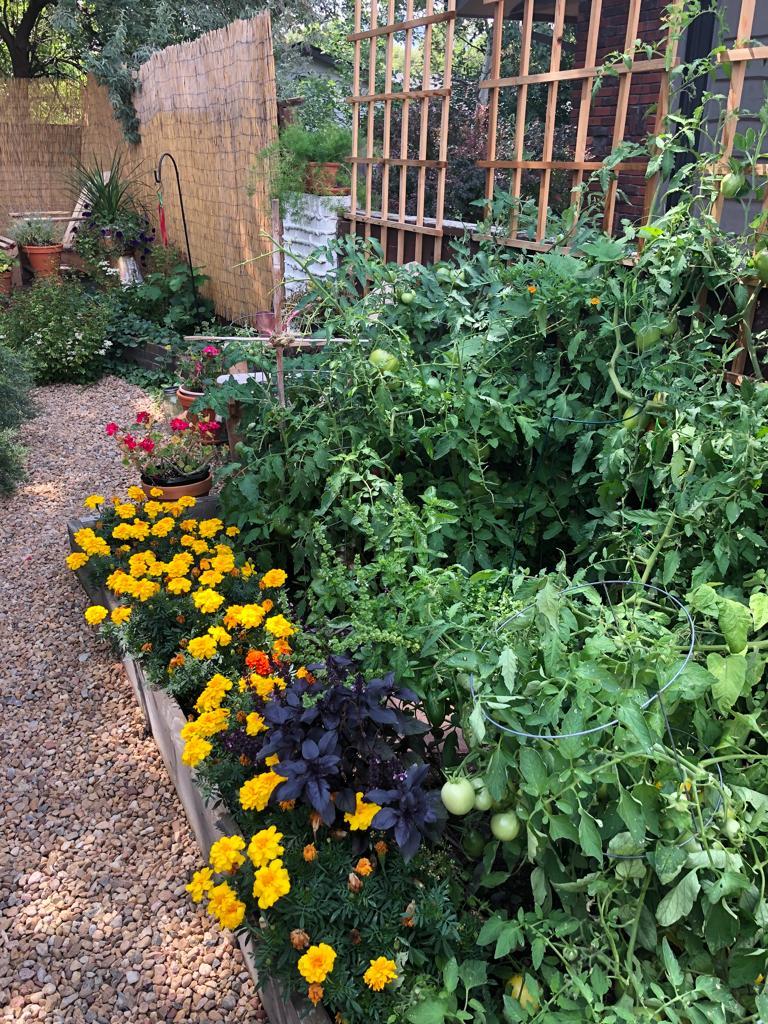
    To make a beneficial pollinator garden, To make a beneficial pollinator garden, you need a water source, a sunny area with windbreaks, and a garden that offers year-round blooms for pollinators to visit. Native Colorado flowers are great for native bees, and non-native flowers like sage will be smothered in bees come midsummer.

    Pollinator Highway
    Backyard pollinators