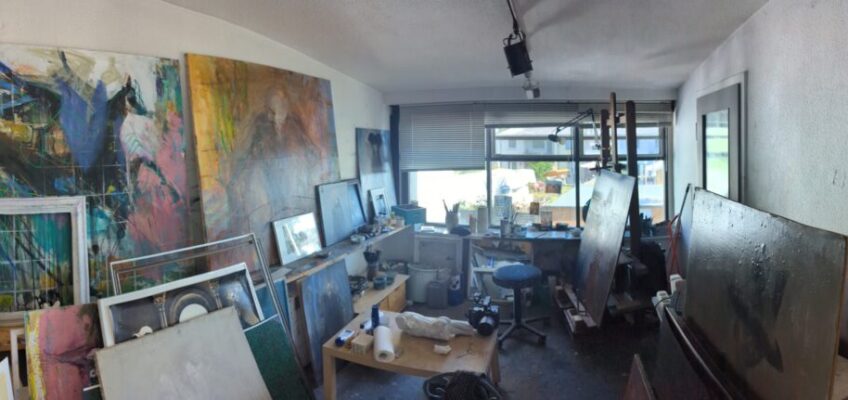
When Art Meets Commerce: A German Funding Tale
The inherent tension between supporting commercial success and artistic merit is a frequent focal point in discussions around German film funding reform, a reality I encountered firsthand with my own “brooding” art film project. While Germany boasts a rich history of critically acclaimed films that delve into complex societal issues, historical events, and introspective character studies—the very type often associated with the “brooding dramas” stereotype—the funding landscape is increasingly influenced by the domestic audience’s preference for feel-good comedies and family films.
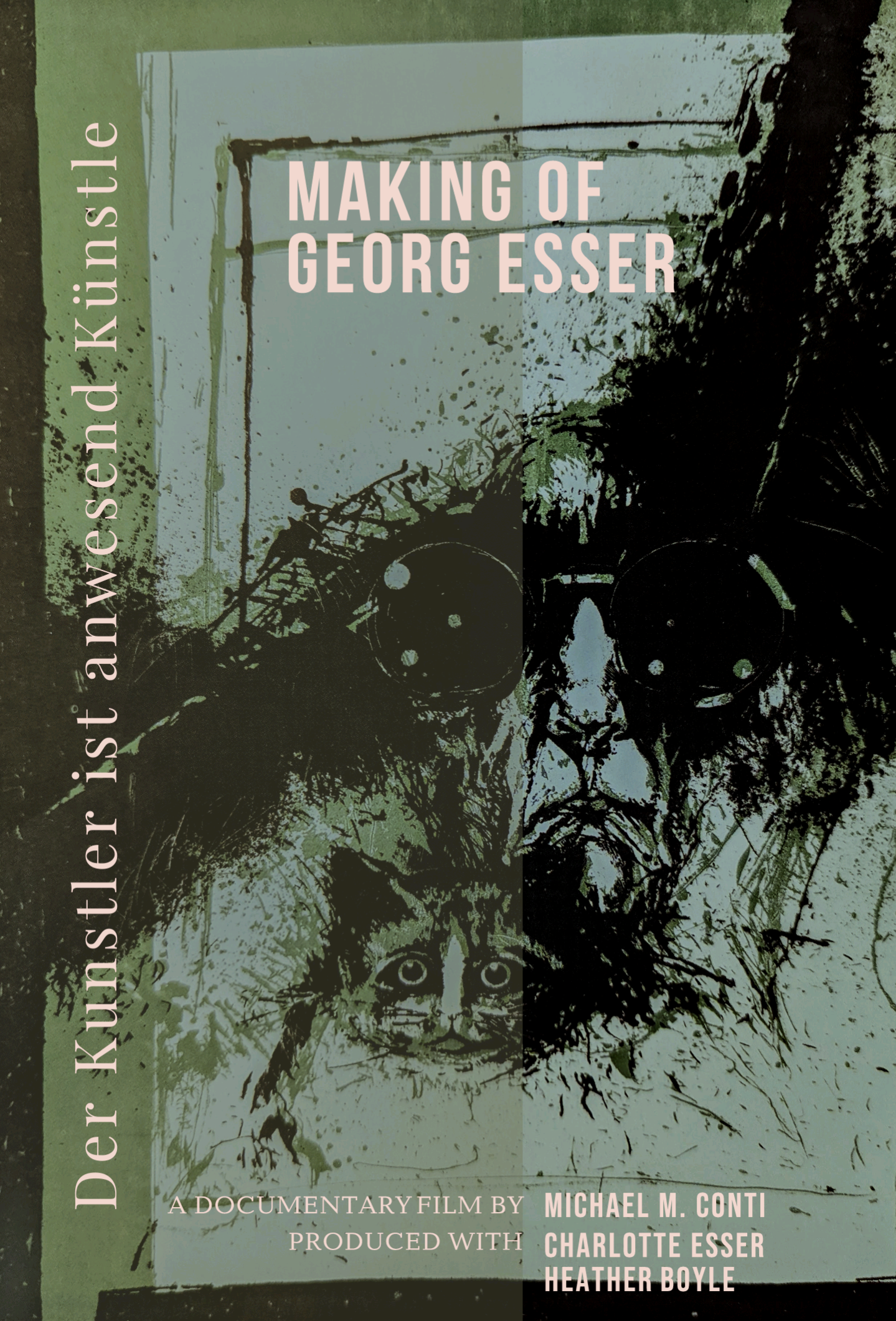
My project, an art film about an unknown painter developed with a German family about their deceased 92-year-old father, Georg Esser, was rejected twice for Film- und Medienstiftung NRW funding. Despite having a German residency and work permit as a film director and editor, and even securing a letter of intent for cinema distribution within Germany, factors that seemed to “tick all the right boxes;” it appears there was more at play, as analyses like those from Stephen Follows suggest in his own research. This situation highlights how an increased focus on box office success and “industry profit” in funding criteria might inadvertently de-emphasize artistic and culturally significant films, even those with strong regional ties and distribution potential.
My film’s rejection served as a poignant reminder that in the world of German cinema, the delicate balance between artistic vision and commercial viability remains an ongoing, often challenging, negotiation.