Category: AI

  • AI Mental Health

    AI Mental Health

    Co-Creative practice is non-linear

    AI mental health is mental experience that I have been going through with AI Co-Creation.

    In my case, where I am directing a creative process with AI as an assistant. This role specifically involves organization of transcripts, building B-Roll prompts, and storyline evaluations with a variety of AI tools. It is a pre-post production process that I have done many times prior to AI. After long AI sessions, I noticed a shift of cognition away from remembering every procedural step and toward aesthetic judgment, and conceptual direction, making discernment and synthesis more central than manual repetition of process.

    I generally can remember things, but when I started getting more in the flow with AI co-creative, I noticed that I wasn’t able to remember each step anymore. It became a blur. I tried to document everything but that becomes burdensome. I thought maybe I was losing my memory due to age. That isn’t really the case, I am not that old yet 🙂 Is anyone else experiencing this effect? And if so, what method of discernment do you apply? Do you ask for a summarization of how you got to where you are?

    AI Mental Health Discernment in Co-Creative

    The Sense–Sample–Shape–Stage framework (PDF) offers a practical, theory-aware way to work with AI without giving up authorship or quality. Sense aligns purpose, references, and ethics; Sample opens the gates to abundance and surprise; Shape restores coherence through editorial craft and integration; Stage turns artifacts into situated experiences and feeds learning back into the next cycle. Reading our practice through Manovich’s five-phase arc clarifies a final point: evaluation is no longer just a verdict; it’s an opportunity for prediction and adaptation. The next generation of creative systems will not only generate on cue but will also help us anticipate reception. Our framework is ready for that world: it keeps the human decisively in the loop while embracing AI’s gifts—speed, scale, and serendipity.

    • Immersive Lab & Royal Academy of Fine Arts Antwerp, Belgium
    AI Mental Health
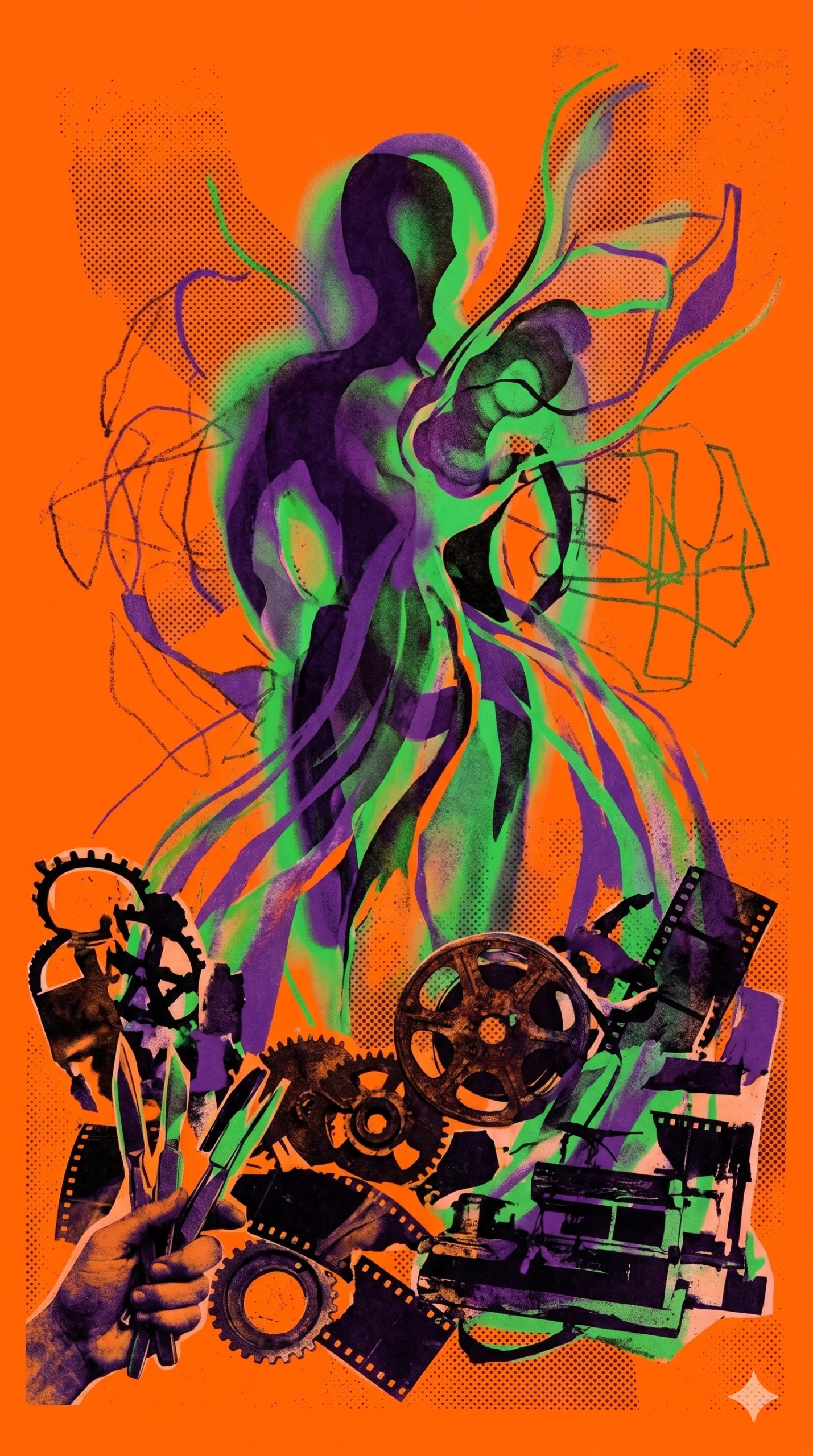
    AI Mental Health Image from Gemini based upon prompt

  • AI Case Study: From Initial Prompt to Final YouTube Video

    AI Case Study: From Initial Prompt to Final YouTube Video

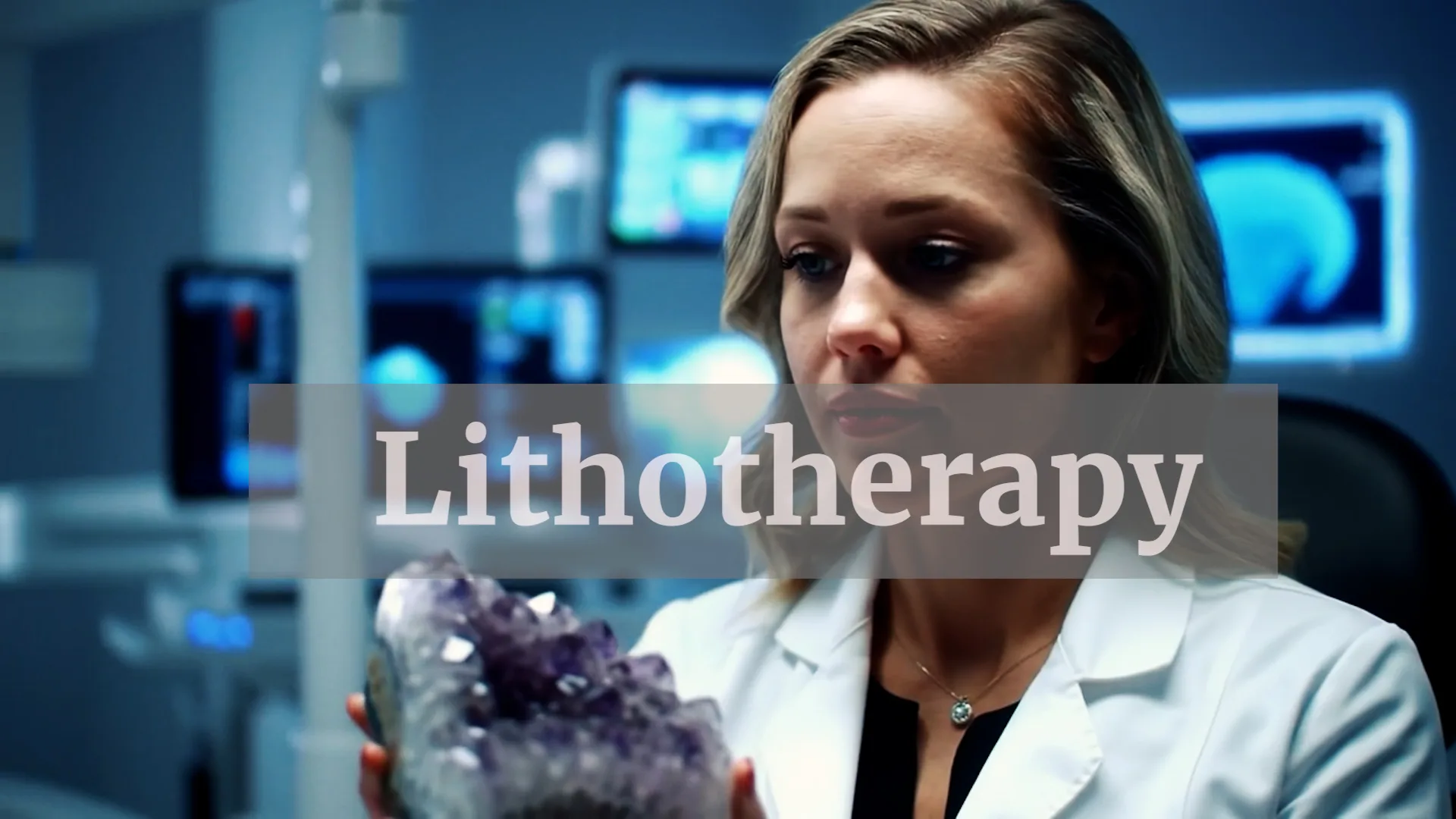
    For over a year, I trained myself with a deep dive into the three LLMs (Gemini, ChatGPT, Claude) to learn how to work with AI as a co-creator. “Talking” with these models, I got good at deep research, reiteration, and implementation back into my own projects, all while creating new visual content through AI generation. Now video! I found benefits in tackling complex materials quicker and more efficiently, along with an outside of the box boost to my own creative process with development. It definitely opens up a whole new world of possibilities.I recently conducted a personal case study to measure the impact of AI on my video production workflow.

    ▶️ Objective: To determine if AI can effectively support the creative process from research to final output on a complex topic (lithotherapy).

    ▶️ AI Tools Used: Google Deep Research, Gemini, and Veo.

    ▶️ Process:

    1. Phase 1: Development & Research: AI generated a comprehensive 29-page report.
    2. Phase 2: Scripting & Audio: AI synthesized the report into a 17-minute dialogue, becoming an unexpected “AI co-host.”
    3. Phase 3: Post-Production: AI generated unique B-roll footage to supplement my existing library.

    ▶️ Conclusion: AI integration significantly impacted the scope and direction of the project, enhancing both efficiency and creative discovery. (And yes, I actually learned a lot about lithotherapy!)

    Want to see the final result and read my detailed conclusions? I’ve linked the YouTube video and full article below.

    https://michaelmconti.substack.com

  • Looking for AI Tools for Filmmakers?

    Looking for AI Tools for Filmmakers?

    Harness the Power of AI Tools for Enhanced Creativity and Efficiency

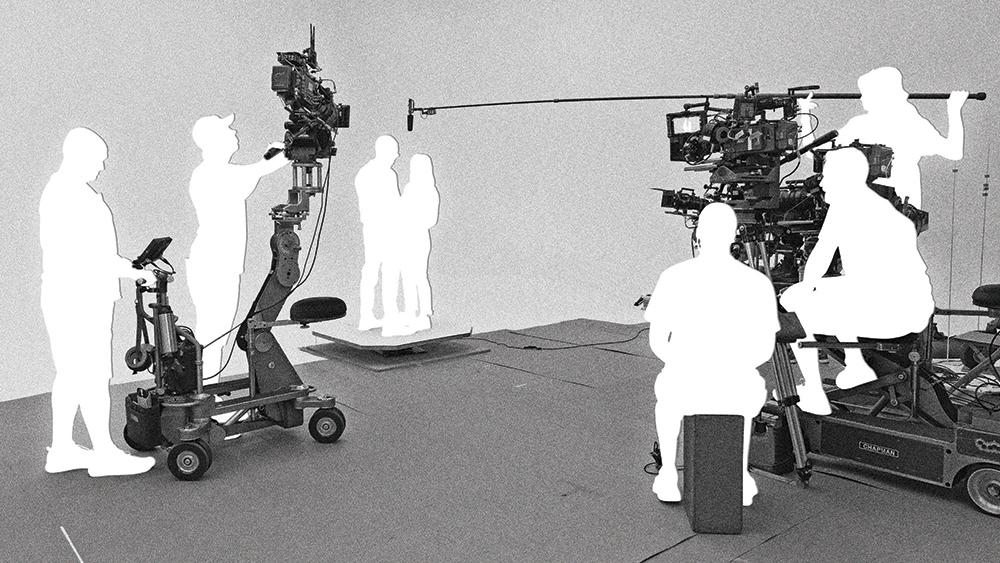
    While ChatGPT is getting a lot of attention and generating a high level of interest, AI has been quietly supporting filmmakers with familiar AI tools for filmmakers like Adobe Creative Cloud Products. These tools, specifically the Essential Tools in Premiere Pro, help with color correction, audio editing, and transcription work. Artificial Intelligence is bringing a revolutionary change to the film industry by introducing advanced technology in various aspects of filmmaking.

    Comprehensive selection of AI tools for Filmmakers

    The primary reason to use this list of AI tools for filmmakers is to provide filmmakers and video content creators with a comprehensive selection of tools that utilize artificial intelligence technology. These tools can enhance various aspects of the filmmaking process, such as video editing, audio post-production, color correction, image enhancement, audience insights, and more. By leveraging AI tools, filmmakers can streamline their workflows, improve the quality of their content, and save time and effort in the production process. Ultimately, the goal is to empower filmmakers with cutting-edge AI technology to unleash their creativity and achieve their artistic vision.

    How did filmmakers get here?

    AI tools for filmmakers
    AI Tools for Filmmakers – What is coming for production?

    ChatGPT, the cutting-edge AI by OpenAI, has attracted significant attention and captivated audiences worldwide. However, it is crucial to acknowledge that AI has quietly been shaping the industry for quite some time. Adobe Creative Cloud Products, which include essential tools in Premiere Pro, have been adopting AI techniques to enhance color grading, audio editing, and transcription tasks. Filmmakers now have access to a wide range of AI-powered functionalities that streamline their workflow and elevate the quality of their productions. The film industry continues to embrace AI innovations and leveraging them to create captivating visual experiences for audiences.

    I have also been using Descript since July 2020 as a tool to write a script, and then listen to how it sounds before committing to an actual voice-over. This form of audio overdubbing has been incredibly helpful for projects where there is a technically training involved and script keeps changing. It was also great for creating machine transcriptions and captions before Adobe Premiere added that same feature.

    What is coming next as AI tools for filmmakers?

    Imagine my happy surprise to see an even greater list being compiled with even more resources. I’m not recommending any of these services by listing them here, just cataloging them as a share from another resource.

    Per The D-Word on YouTube video, I found the following list which is constantly evolving. I highly recommend taking the time to watch this video as it offers valuable insights and a fresh take on the subject.

    Boost Your Creativity and Efficiency with These AI-Powered Solutions

    Here’s the list of AI tools for filmmakers along with their names, URLs, and descriptions:

    1. Recraft
    2. PolyCam
    3. Auphonic
    4. Altered
    5. Eleven Labs
    6. Adobe Premiere
    7. Cascadeur
    8. Morphcast
    9. Timebolt
    10. Neutron
    11. Trint
    12. Kive
    13. BlenderGPT
    14. Blender Chat Companion
    15. Colour Lab
    16. Fylm
    17. Wonder Dynamics
    18. Adobe After Effects
    19. Cinelytic
    20. Runway
    21. Topaz Labs
    22. Luminar
    23. MidJourney
    24. Stable Diffusion
    25. Dall-E
    26. Adobe Firefly
    27. Lexica
    28. Largo
    29. QLOO
    30. Vault AI
    31. Flawless

    Please feel free to leave your valuable recommendations and suggestions in the comments section located right below this text. Your input is highly appreciated and will be taken into consideration. Thank you in advance for your contribution.